
Data Privacy Laws: Impact on Businesses and Consumers
Data privacy laws are regulations designed to protect an individual’s personal information from being misused or exposed without their consent.
These laws have become increasingly important in the digital age, as businesses collect and process vast amounts of personal data for various purposes, such as targeted marketing and improving customer experiences.
In this guide, we will explore some of the various data privacy laws that exist globally, the differences between them, and the steps businesses need to take to ensure compliance with regulations like the General Data Protection Regulation (GDPR) and the California Consumer Privacy Act (CCPA).
We will also discuss the rights of individuals concerning data privacy, current trends, and real-world examples of companies that have faced consequences due to data privacy breaches.
Personal Privacy Laws
Data privacy laws differ significantly across countries and regions. Some notable examples include:
- General Data Protection Regulation (GDPR): Implemented in 2018, GDPR is a European Union regulation that aims to protect the data privacy of EU citizens. It imposes strict rules on how personal data is collected, processed, and stored, and requires businesses to obtain explicit consent from users before collecting their information.
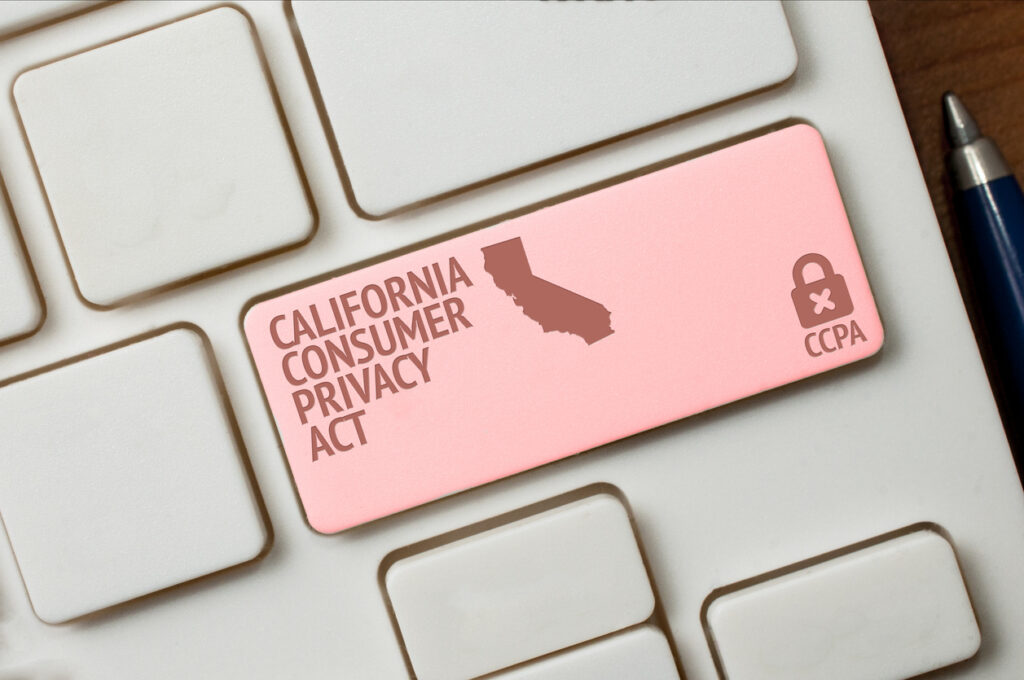
- California Consumer Privacy Act (CCPA): Enacted in 2020, CCPA is a state-level data privacy law in the United States that grants California residents the right to know what personal information is being collected, the purpose of its collection, and the right to opt-out of the sale of their data.
- Personal Data Protection Act (PDPA): Introduced in 2012, Singapore’s PDPA governs the collection, use, and disclosure of personal data by organizations. It requires businesses to comply with data protection obligations and provide individuals with the right to access and correct their data.
These are just a few examples, but many other countries have implemented similar laws to protect their citizens’ personal information.
GDPR and CCPA Compliance
To comply with GDPR and CCPA, businesses need to take several steps:
- Understand the regulations: Familiarize yourself with the requirements of each regulation and determine which laws apply to your organization.
- Conduct a data audit: Identify the types of personal data your business collects, processes, and stores, and document the purposes for each data processing activity.
- Update privacy policies: Ensure that your privacy policies are transparent, easy to understand, and compliant with the relevant regulations.
- Implement consent mechanisms: Obtain explicit consent from users before collecting their personal data and provide them with the option to opt-out of data processing activities.
- Establish data security measures: Implement appropriate technical and organizational measures to protect personal data from unauthorized access, disclosure, or destruction.
Failure to comply with these regulations can result in severe financial penalties, legal consequences, and damage to a company’s reputation.
Individual Rights and Data Privacy
Individuals have various rights concerning data privacy, including:
- Right to access: The right to request a copy of the personal data a company holds about them.
- Right to rectification: The right to correct inaccurate or incomplete personal data.
- Right to erasure: The right to request the deletion of personal data under specific circumstances.
- Right to object: The right to object to the processing of personal data for marketing purposes or when it infringes on their privacy rights.
To protect their data privacy, individuals should be vigilant about sharing personal information online, review privacy policies, and exercise their rights as needed.
Current and Emerging Trends
Data privacy is an ever-evolving field, with new trends and updates regularly impacting businesses and consumers alike. Some current trends include:
- Increased focus on data privacy: With high-profile data breaches and increased public awareness, data privacy has become a critical concern for businesses and regulators worldwide.
- Expansion of data privacy laws: Many countries are either implementing new data privacy regulations or updating existing ones to better protect personal information in the digital age. Such as the recently proposed bill for the American Data Privacy and Protection Act legislation in the United States, but failed to become law.
- Growing emphasis on data minimization: Companies are increasingly adopting a “less is more” approach to data collection, focusing on collecting only the data necessary for specific purposes.
Real-World Examples of Data Privacy Breaches
Several high-profile cases have demonstrated the consequences of failing to adhere to data privacy regulations:
- Equifax: In 2017, credit reporting agency Equifax suffered a massive data breach, exposing the personal information of over 147 million people. The company faced numerous lawsuits and was fined $700 million by the US Federal Trade Commission.
- British Airways: In 2018, British Airways experienced a data breach that compromised the personal and financial information of approximately 500,000 customers. The airline was fined £183 million by the UK’s Information Commissioner’s Office for violating GDPR.
These examples highlight the importance of businesses prioritizing data privacy and ensuring compliance with relevant regulations to avoid severe consequences.
Data Privacy Laws
Data privacy laws play a crucial role in protecting individuals’ personal information in today’s digital world. Businesses must understand the different regulations that exist globally and take the necessary steps to ensure compliance. Individuals should be aware of their rights and take measures to protect their data from being mishandled.
By staying informed about the latest trends and updates in data privacy, businesses can maintain compliance, reduce the risk of breaches, and foster trust with their customers.
Be sure to checkout and bookmark our ever-growing list of data privacy laws by country here!
Finally, the Electronic Frontier Foundation (EFF) is the leading nonprofit organization defending civil liberties in the digital world and a great source of information regarding data privacy laws.

THE DAILY PRETORIAN
Daily curated information security and information technology news.
In our play we reveal what kind of people we are.
-Ovid
I. U.S.-led Indo-Pacific talks produce deal on supply chain early warnings
II. Is cybersecurity an unsolvable problem?
III. Netflix restricts password sharing, leaving some angry and confused
IV. How Google and Microsoft’s push for regulation could stifle competition
V. Ford needs Tesla to help it beat Tesla

THE DAILY PRETORIAN
Daily curated information security and information technology news.
Time is the wisest counselor of all.-Pericles
I. How Inductive Automation’s endpoint security strategy makes manufacturing more secure
II. Buyer Beware: Scam Apps Are Out to Steal Your Money and Personal Info
III. Dutch watchdog looking into alleged Tesla data breach
IV. The cheapskate’s guide to digital entertainment
V. New Russian-Linked Malware Poses “Immediate Threat” to Energy Grids

THE DAILY PRETORIAN
Daily curated information security and information technology news.
Small opportunities are often the beginning of great enterprises.-Demosthenes
I. Microsoft leaps into the AI regulation debate, calling for a new US agency and executive order
II. A Popular Password Hashing Algorithm Starts Its Long Goodbye
III. Why Nvidia is suddenly one of the most valuable companies in the world
IV. G7 officials to hold first meeting on AI regulation next week
V. OpenAI offers $100,000 grants for ideas on AI governance

THE DAILY PRETORIAN
Daily curated information security and information technology news.
I. DeSantis Twitter launch with Musk forges powerful 2024 social media alliance
II. The lightning onset of AI—what suddenly changed? An Ars Frontiers 2023 recap
III. China Hacks US Critical Networks in Guam, Raising Cyberwar Fears
IV. UK to work with AI firms to ensure society benefits from the new technology
V. Meet Windows Copilot, the AI coming to help you understand your PC

THE DAILY PRETORIAN
Daily curated information security and information technology news.
I. Cisco AppDynamics report finds digital innovation came at a cost for app security during the pandemic
II. Google Unveils Bug Bounty Program For Android Apps
III. White House asks for comment from the public on addressing AI risks
IV. How the technology behind ChatGPT could make mind-reading a reality
V. What the Supreme Court’s Decision in Warhol Means for Fair Use

THE DAILY PRETORIAN
Daily curated information security and information technology news.
I. An auto CEO came very close to saying the right thing about heavy EV batteries
II. Forrester predicts 2023’s top cybersecurity threats: From generative AI to geopolitical tensions
III. Here’s how long it takes new BrutePrint attack to unlock 10 different smartphones
IV. ChatGPT developer calls for international regulatory agency for powerful AI
V. A tweet about a Pentagon explosion was fake. It still went viral.

THE DAILY PRETORIAN
Daily curated information security and information technology news.
I. Everyone wants a foldable phone, but most of us can’t afford one yet
II. Google’s AI Search Could Mean Radical Changes for Your Internet Experience
III. China tells tech manufacturers to stop using Micron chips, stepping up feud with United States
IV. Instagram back up after global outage affecting thousands of users
V. iMessage vs. Snapchat: The Battle for Gen Z’s Texts

THE DAILY PRETORIAN
Daily curated information security and information technology news.
I. When it comes to advanced math, ChatGPT is no star student
II. I took my own advice and bought a last-gen iPhone — I regret nothing
III. OpenAI CEO’s other startup aims to give crypto to people who scan irises in orb
IV. The debate over whether AI will destroy us is dividing Silicon Valley
V. G7 calls for developing global technical standards for AI
American Data Privacy and Protection Act
The American Data Privacy and Protection Act (H.R. 8152) was a proposed federal legislation aimed at establishing national standards for data privacy in the United States. Despite its potential to improve consumer privacy, H.R. 8152 failed to become law.
I will discuss why the American Data Privacy and Protection Act (ADPPA) did not pass, its potential impact on US data privacy, and how it can serve as a model for state-level privacy laws.
The Failure of the American Data Privacy and Protection Act
There are several key reasons why the ADPPA failed to become law.
One of the primary factors was opposition from certain industry groups that argued the bill would impose excessive burdens on businesses, stifling innovation and economic growth.
Additionally, the lack of bipartisan support in Congress contributed to the bill’s failure, as lawmakers could not reach a consensus on the best approach to regulating data privacy.
Impact on US Data Privacy
Had the ADPPA been enacted, it would have established a uniform set of rules for companies to follow when handling consumer data.
This could have led to increased transparency and better protection for consumers’ personal information. However, with the failure of the bill, the United States continues to lack comprehensive federal data privacy legislation, resulting in a patchwork of state-level laws that can be confusing for both consumers and businesses to navigate.
ADPPA as a Model for State-Level Privacy Laws
Despite its failure at the federal level, the American Data Privacy and Protection Act can still serve as a valuable model for a state-level privacy protection act.
By adopting elements of this proposed legislation, states can create more effective regulations that address specific issues related to data privacy within their jurisdictions.
For example, the California Consumer Privacy Act (CCPA) and the Virginia Consumer Data Protection Act (CDPA) are two state-level privacy laws that have been developed in response to the growing concern over data privacy.
These laws grant consumers rights such as access, deletion, and opt-out options for certain types of data collection activities.
The Future of US Data Privacy
The current state of data privacy in the US leaves much room for improvement, with many companies neglecting consumer privacy or exploiting loopholes in existing regulations.
As technology continues to advance and new forms of digital communication emerge, it is crucial for both federal and state lawmakers to prioritize data privacy and work towards comprehensive legislation that protects consumers’ personal information.
While the American Data Privacy and Protection Act did not become law, it can still serve as a valuable model for developing state-level privacy laws.
By adopting elements of this proposed legislation, states can create more effective data privacy regulations that address the unique needs of their citizens.
As the US faces an uncertain future regarding data privacy, it is essential that lawmakers prioritize consumer protection and work towards a unified approach to regulating this critical issue.
More information on H.R. 8152 – American Data Privacy and Protection Act can be found here.
Also, be sure to check out our expanding list of international privacy laws here.