THE DAILY PRAETORIAN: Cybersecurity Trends – 12/15/25

THE DAILY PRAETORIAN: Cybersecurity Trends – 12/15/25

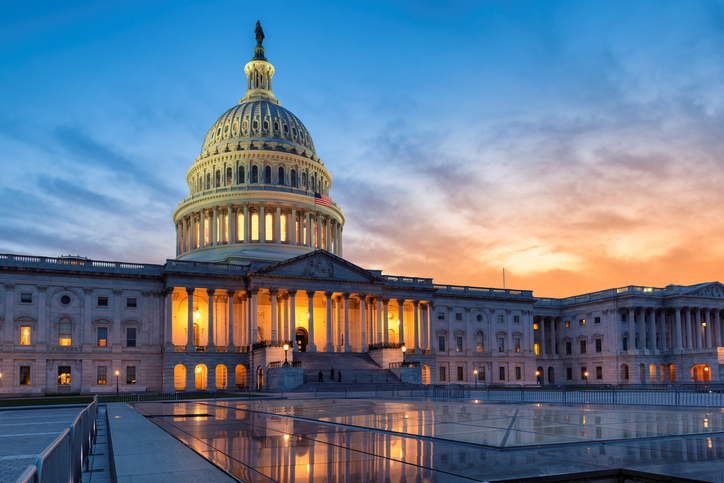
Image Credit: iStock / Sherrodphoto | Imagery Disclaimer

Securing Tomorrow: Your Daily Dose of Cyber Safety, Tech Trends, National Security News, and Inspiration.

“Sun and shadow, friend and foe, eagle learns which way to go.”


— Unknown

I. National Security: Key developments in national security, particularly cyber and technological warfare.

  • New Dark Eagle Hypersonic Weapon Details Emerge

  • The U.S. Army’s Dark Eagle hypersonic boost‑glide weapon—also called the Long‑Range Hypersonic Weapon—has been detailed during a Pentagon visit, revealing a trailer‑launched system capable of Mach 5+ speeds, a 3,500‑km (≈2,175‑mile) range that could strike targets such as mainland China from Guam, Moscow from London or Tehran from Qatar, a sub‑30‑pound warhead that relies mainly on kinetic impact, and a production goal of up to two missiles per month; the system is slated for operational use by FY 2025, with the Navy adapting the same architecture for sea‑launch under the Intermediate Range Conventional Prompt Strike program. Click here to read more.

II. Tech Trends: Updates on emerging technology trends shaping the digital world.

  • Nvidia challenges China with new open-source AI models

  • Nvidia unveiled its third‑generation “Nemotron” family of open‑source large‑language models, starting with the compact Nemotron 3 Nano that promises lower operating costs and better performance on multi‑step tasks, while larger variants are slated for release in early 2026; the move counters a surge of Chinese open‑source AI offerings from firms like DeepSeek, Moonshot AI and Alibaba, and aims to give enterprises and governments transparent, auditable models they can safely deploy, positioning Nvidia as a leading U.S. provider of open‑source AI amid growing restrictions on Chinese technologies. Click here to read more.


III. Inspiration: Articles centered on faith that offer guidance and reflection.

  • Australian church leaders stand in solidarity with Jewish community after Bondi Beach terrorist attack

  • Australian Christian leaders condemned the Bondi Beach terrorist shooting that killed 15 people—including a child and a Holocaust survivor—while praying for the grieving Jewish community; Anglican Archbishop Kanishka Raffel denounced antisemitism and offered prayers for safety, and Catholic Archbishop Anthony Fisher highlighted rising public antisemitism, recalling his own Jewish heritage and urging Christians to protect their Jewish neighbors, while praising bystander Ahmed Al Ahmed for disarming one attacker. Click here to read more.
     

IV. Cyber Safety: A focus on the latest cybersecurity threats, tips, or breaches impacting individuals and organizations.

  • Militant Groups Are Experimenting With AI, and the Risks Are Expected to Grow

  • Militant groups, including ISIS affiliates, are experimenting with generative AI to produce propaganda, deep‑fake images and videos, translate messages, and even draft malicious code, amplifying recruitment, disinformation and cyber‑attack capabilities despite limited resources; experts warn that as cheap, powerful AI becomes more accessible, these “aspirational” uses could expand to more sophisticated threats such as synthetic phishing, weapon‑development assistance, and multilingual outreach, prompting lawmakers to propose legislation requiring regular AI‑risk assessments and greater information sharing by AI developers. Click here to read more.

V. Shield of Israel: Coverage from The Jerusalem Post, providing an Israeli perspective on ongoing conflicts.

  • Should Israel issue a military response if Iran was behind the Bondi attack? – analysis

  • Israel’s leadership is weighing a direct military strike against Iran if Tehran is proven to have orchestrated the Bondi Beach massacre that killed 15 Jews, with a senior U.S. official indicating Washington would back an Israeli counter‑strike on Iranian territory; analysts argue that Israel’s recent success in degrading Iran’s air defenses, nuclear facilities and missile capabilities in a June operation may lower the perceived risk of retaliation, potentially allowing a kinetic response that could deter future terror plots and simultaneously pressure Iran’s ballistic‑missile program, though critics warn such escalation could reignite a broader conflict. Click here to read more.

THE DAILY PRAETORIAN: Cybersecurity Trends – 12/12/25

THE DAILY PRAETORIAN: Cybersecurity Trends – 12/12/25

Image Credit: U.S. Department of War (DoW) / Navy Seaman Apprentice Alyssa Joy | Imagery Disclaimer

Securing Tomorrow: Your Daily Dose of Cyber Safety, Tech Trends, National Security News, and Inspiration.

“We will be building a frigate. It will be based on an American design.”


-Navy Secretary John Phelan

I. National Security: Key developments in national security, particularly cyber and technological warfare.

  • U.S. Navy Now Wants A New Frigate And Fast

  • The U.S. Navy plans to field a new class of frigates—likely derived from the Coast Guard’s Legend‑class National Security Cutter—by 2028 after canceling the troubled Constellation program, aiming to fill a critical surface‑warfare gap with a faster, lower‑cost ship that can be built quickly and meet modern sensor and missile requirements; the effort seeks to avoid past cost overruns, leverage existing shipyard capacity, and restore fleet readiness while Congress and industry scrutinize the design’s suitability and integration of systems like Aegis and vertical launch cells. Click here to read more.

II. Tech Trends: Updates on emerging technology trends shaping the digital world.

  • Google Translate expands live translation to all earbuds on Android

  • Google Translate now leverages the Gemini AI model to grasp phrase meanings, idioms and slang across more than 70 languages, improving live‑translation accuracy for earbuds on Android; the update also adds personalized language‑learning tools that adapt to skill level, focus on travel or everyday conversation, and provide pronunciation feedback while tracking daily practice streaks, with practice mode expanding to nearly 20 new countries. Click here to read more.


III. Inspiration: Articles centered on faith that offer guidance and reflection.

  • Trading TikTok for Time with God—and Each Other

  • Young adults are increasingly swapping constant digital connectivity for low‑tech habits—flip phones, point‑and‑shoot cameras, vinyl records and intentional digital fasts—to regain focus, reduce anxiety and deepen their relationship with God; ministries, college chaplains and believers report that unplugging helps them pray, engage more authentically with others, and protect mental health, while still navigating the tension between staying relevant professionally and resisting the addictive pull of social‑media algorithms. Click here to read more.
     

IV. Cyber Safety: A focus on the latest cybersecurity threats, tips, or breaches impacting individuals and organizations.

  • Chinese state hackers attended Cisco cybersec training, researcher claims

  • Two Chinese hackers linked to the state‑backed Salt Typhoon espionage group—Yu Yang and Qiu Daibing—were once participants in Cisco’s 2012 Networking Academy Cup, a beginner‑level training program that taught foundational security skills and Cisco technologies later exploited in their campaigns; after winning regional contests for Southwest Petroleum University, they co‑founded Beijing Huanyu Tianqiong, identified as a front for Salt Typhoon, which has breached dozens of global telecoms and critical‑infrastructure networks, prompting international advisories, a $10 million FBI bounty and calls to tighten mitigation guidance. Click here to read more.

V. Shield of Israel: Coverage from The Jerusalem Post, providing an Israeli perspective on ongoing conflicts.

  • Gaza demilitarization may begin as early as next month, US officials say

  • International troops authorized by the UN Security Council could begin deploying next month to demilitarize Gaza under the Trump peace plan, with an International Stabilization Force (ISF) tasked with destroying militant infrastructure and supporting newly trained Palestinian police while avoiding direct combat with Hamas; the force’s size, composition and rules of engagement are still being negotiated, and countries such as Indonesia have pledged troops for humanitarian tasks, while the U.S. ambassadorship notes the mandate may permit the use of force to achieve demilitarization. Click here to read more.

     
THE DAILY PRAETORIAN: Cybersecurity Trends – 12/11/25

THE DAILY PRAETORIAN: Cybersecurity Trends – 12/11/25

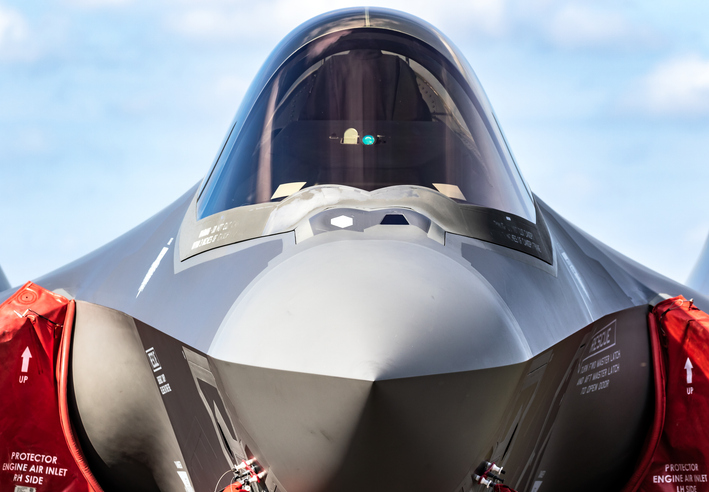
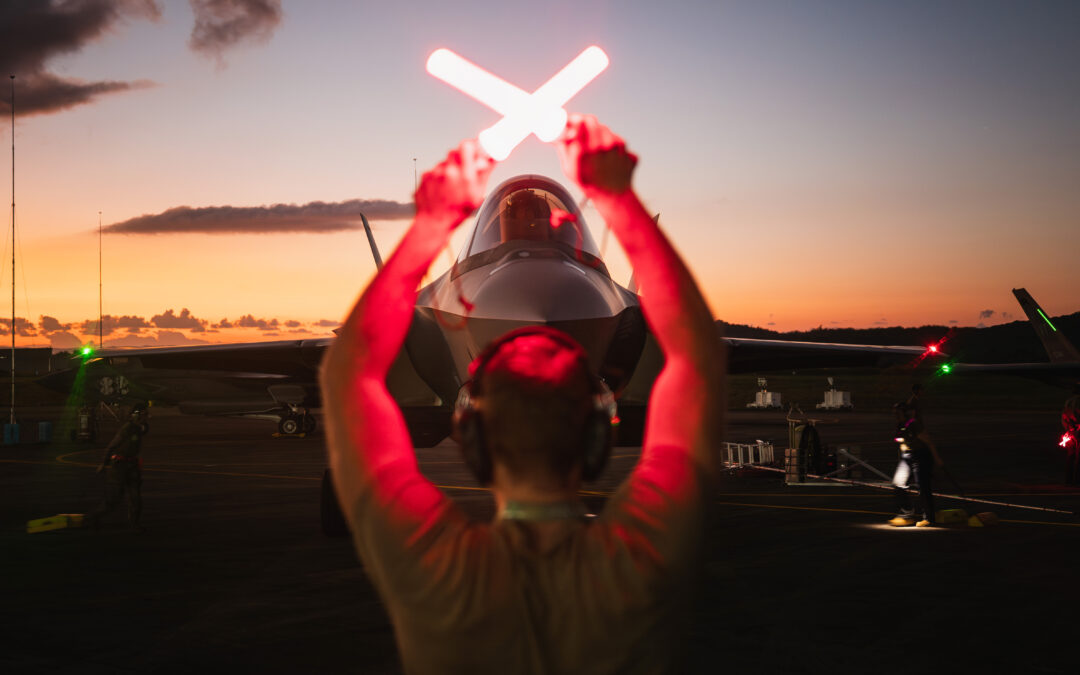
Image Credit: U.S. Department of War (DoW) / Air Force Tech. Sgt. Justin Norton | Imagery Disclaimer

Securing Tomorrow: Your Daily Dose of Cyber Safety, Tech Trends, National Security News, and Inspiration.

“To have command of the air means to be able to cut an enemy’s army and navy off from their bases of operation and nullify their chances of winning the war.”


-Giulio Douhet

I. National Security: Key developments in national security, particularly cyber and technological warfare.

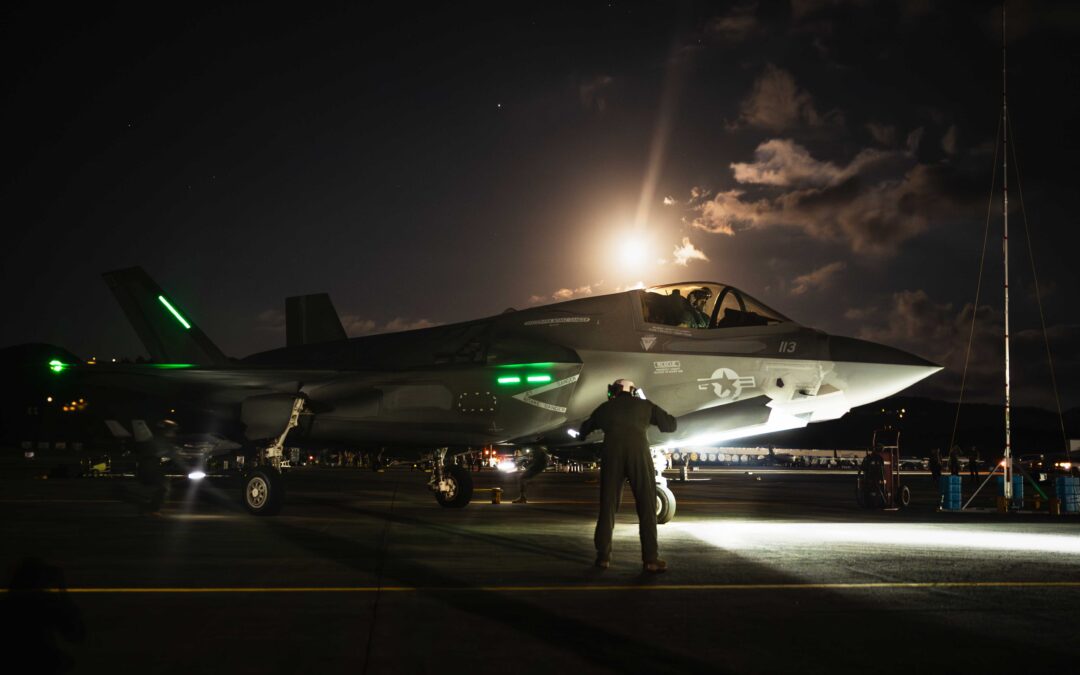
  • F-35A Joint Strike Fighters Deploying To Caribbean

  • The Vermont Air National Guard’s 158th Fighter Wing is deploying F‑35A Lightning II jets to the Caribbean for “Operation Southern Spear,” a U.S. effort aimed at curbing narcotics trafficking and applying pressure on Venezuela’s Nicolás Maduro; while exact numbers and timelines remain undisclosed, officials indicate the aircraft will likely stage at the former Roosevelt Roads base in Puerto Rico, giving the U.S. a first‑time tactical fighter presence capable of delivering larger guided bombs deep into Venezuelan airspace and signaling a potential escalation of air operations in the region. Click here to read more.

II. Tech Trends: Updates on emerging technology trends shaping the digital world.

  • Trump signs order aimed at curbing state AI laws

  • President Donald Trump signed an executive order aimed at establishing a single federal framework for artificial‑intelligence regulation, arguing that companies should not navigate a patchwork of state laws; the order grants the administration authority to challenge “onerous” state rules while preserving state authority over child‑safety measures, and it reflects broad industry support for federal oversight amid a wave of state‑level AI bills covering privacy, deep‑fake bans and risk mitigation. Click here to read more.


III. Inspiration: Articles centered on faith that offer guidance and reflection.

  • Elon Musk Affirms Belief in God as ‘Creator’

  • Elon Musk told host Katie Miller that he believes the universe was created by a “Creator,” acknowledging that existence likely stems from something rather than nothing, and clarified that while he doesn’t adhere to a specific religion, he identifies as a “cultural Christian” reflecting his Anglican upbringing; his remarks echo earlier comments urging followers to attend church after Charlie Kirk’s death and his view that Western civilization would suffer without Christianity. Click here to read more.
     

IV. Cyber Safety: A focus on the latest cybersecurity threats, tips, or breaches impacting individuals and organizations.

  • Microsoft urges users to change passwords, as the Dune-inspired worm hits again

  • A revived, more aggressive version of the Shai‑Hulud worm—named after the Dune sandworms—is again sweeping through software supply chains, compromising thousands of GitHub repositories and stealing developer credentials by hijacking maintainer accounts and injecting malicious code into npm packages before tests run; Microsoft’s response urges organizations to rotate exposed secrets, isolate affected CI/CD pipelines, enforce 2FA, tighten access controls, and leverage Defender for Cloud, Sentinel and other security tools to detect and block the attack, while CISA advises immediate credential revocation and thorough cleanup. Click here to read more.

V. Shield of Israel: Coverage from The Jerusalem Post, providing an Israeli perspective on ongoing conflicts.

  • Long-awaited gas export deal with Egypt to be signed ‘in days,’ source tells ‘Post’

  • Israel and Egypt are on the brink of sealing a $35 billion gas export pact that will channel Leviathan field supplies to Cairo through 2040, a deal that U.S. officials say could also pave the way for a rare high‑level meeting between Prime Minister Benjamin Netanyahu and President Abdel Fattah al‑Sisi; while Israeli leaders have delayed signing over security and pricing concerns, both sides now claim the agreement will boost Israel’s economy and reinforce Egypt’s energy security, with final approval expected within days. Click here to read more.

     
THE DAILY PRAETORIAN: Cybersecurity Trends – 12/10/25

THE DAILY PRAETORIAN: Cybersecurity Trends – 12/10/25

Image Credit: iStock / Laura Simpson | Imagery Disclaimer

Securing Tomorrow: Your Daily Dose of Cyber Safety, Tech Trends, National Security News, and Inspiration.

“Damn the torpedoes, Full speed ahead!”


-Admiral David Glasgow Farragut

I. National Security: Key developments in national security, particularly cyber and technological warfare.

  • Could battleships really make a comeback?

  • Battleships once defined naval dominance, but the rise of carrier‑based aviation and long‑range missiles rendered their massive guns ineffective, while smaller, cheaper ships could fulfill the same roles with greater flexibility; repeated efforts to modernize Iowa‑class vessels or create “arsenal ships” proved prohibitively expensive and strategically marginal, prompting the U.S. Navy to shift its focus to carriers, submarines, and destroyers. Click here to read more.

II. Tech Trends: Updates on emerging technology trends shaping the digital world.

  • Big Tech joins forces with Linux Foundation to standardize AI agents

  • Big Tech firms are teaming with the Linux Foundation to create the AI Agent Interoperability Framework (AAIF), aiming to standardize how autonomous AI agents communicate and behave. Central to the effort is the Model Context Protocol (MCP), an open‑source protocol adopted by projects like Goose—a customizable coding agent from Block—and AGENTS.md, a markdown‑based readme system introduced by OpenAI to shape agent actions predictably. While the rapid infusion of generative AI into products has left the industry uncertain about the best technical paths—especially around foundational pieces such as OAuth—the consortium, backed by Amazon, Google, Cloudflare, Microsoft and others, hopes to provide neutral, interoperable standards that keep innovation open and portable. Click here to read more.


III. Inspiration: Articles centered on faith that offer guidance and reflection.

  • Atheist-Turned-Christian Filmmaker Makes the Case for God in New Documentary

  • Michael Ray Lewis, once an outspoken atheist, recounts his three‑year journey to Christianity in the new documentary Universe Designed, released on home video Dec. 13. The film blends personal testimony with interviews from prominent apologists such as Frank Turek, Hugh Ross, and J. Warner Wallace, examining the origins of the universe, philosophical truths, and the historical case for Jesus. Aimed at skeptics who doubt faith and at believers seeking stronger apologetic tools, the 90‑minute piece intentionally hides its Christian framing for the first twenty minutes to invite open‑minded viewers to consider the evidence. Click here to read more.
     

IV. Cyber Safety: A focus on the latest cybersecurity threats, tips, or breaches impacting individuals and organizations.

  • OpenAI warns “high” cybersecurity risk posed by new AI models

  • OpenAI cautioned that its forthcoming AI models could present a “high” cybersecurity risk, warning they might autonomously generate zero‑day exploits or aid sophisticated intrusion campaigns against well‑protected systems. To mitigate these threats, the company is bolstering defensive model capabilities, tightening access controls, hardening infrastructure, and enhancing monitoring, while also planning a tiered‑access program for qualified cyber‑defense users. Additionally, OpenAI will launch a Frontier Risk Council composed of seasoned security experts to guide its efforts on cybersecurity and later expand to other emerging technology domains. Click here to read more.

V. Shield of Israel: Coverage from The Jerusalem Post, providing an Israeli perspective on ongoing conflicts.

  • New Middle East’s rise: Saudi-Israel alignment will reshape regional hegemony – opinion

  • A growing Saudi‑Israeli partnership is poised to reshape Middle Eastern power dynamics as Iran’s theocratic regime weakens, with both nations leveraging covert intelligence ties, the Abraham Accords and shared security concerns to counter Tehran’s dwindling influence and proxy networks; this alignment, supported by regional leaders like Crown Prince Mohammed bin Salman and Israeli officials, aims to foster a stable post‑Iran order while marginalizing rivals such as Qatar, whose ties to Tehran are expected to fade. Click here to read more.

     
THE DAILY PRAETORIAN: Cybersecurity Trends – 12/9/25

THE DAILY PRAETORIAN: Cybersecurity Trends – 12/9/25

Image Credit: U.S. Department of War (DoW) / Air Force Staff Sgt. Gerald R. Willis | Imagery Disclaimer

Securing Tomorrow: Your Daily Dose of Cyber Safety, Tech Trends, National Security News, and Inspiration.

“Air power is, above all, a psychological weapon–and only short-sighted soldiers, too battle-minded, underrate the predominance of psychological factors in war.”


-B.H. Liddell Hart

I. National Security: Key developments in national security, particularly cyber and technological warfare.

  • F/A-18 Super Hornets Were Just Tracked Flying Deep Inside The Gulf Of Venezuela

  • U.S. Navy F/A‑18E/F Super Hornets—designated Rhino 11 and Rhino 12—were tracked loitering for roughly 40 minutes over the Gulf of Venezuela on 9 December 2025, a semi‑enclosed basin that Venezuela asserts as internal waters despite the United States’ longstanding claim that the narrow northern mouth remains international airspace. Operating from the carrier USS Gerald R. Ford, the Super Hornets were accompanied by EA‑18G “Growler” electronic‑warfare aircraft (Grizzly 1 and Grizzly 2), a MQ‑4C Triton maritime‑surveillance drone, and likely additional, non‑publicly‑visible assets, all broadcasting their positions to convey a deliberate show of force. The mission appears calibrated to probe and stress‑test Venezuelan air‑defence networks, gather electronic order‑of‑battle data, and reinforce the broader U.S. pressure campaign against President Nicolás Maduro—an effort framed publicly as counter‑narcotics (Operation Southern Spear) but increasingly interpreted as a prelude to more kinetic options. This sortie follows a sustained buildup of roughly 15 000 U.S. personnel and numerous naval and aerial platforms in the Caribbean, underscoring Washington’s willingness to intensify coercive measures, including potential strikes, against the Maduro regime. Click here to read more.

II. Tech Trends: Updates on emerging technology trends shaping the digital world.

  • Holy slop: most pastors now use AI to write sermons

  • Recent surveys of 594 pastors and church staff reveal that nearly two‑thirds now incorporate artificial‑intelligence tools—most commonly ChatGPT—into their sermon‑writing workflow, with 61 % using AI weekly or daily and a quarter doing so every day. While clergy appreciate AI’s ability to streamline research, generate outlines, and draft communications, many express unease about the reliability of theological content, the risk of misinformation, and the possibility that algorithmic assistance could erode personal pastoral guidance. The Vatican acknowledges technology’s role in humanity’s creative partnership with God yet warns that AI’s misuse, especially in contexts like warfare, could jeopardize regional stability and even human survival. Click here to read more.


III. Inspiration: Articles centered on faith that offer guidance and reflection.

  • ‘You’re Not a Cosmic Accident’: Unique Creation Museum Reveals Where Faith and Science Meet

  • The Wonders Center & Science Museum—also called the Unique Creation Museum—just outside Nashville showcases a 100,000‑square‑foot complex that presents scientific topics such as astronomy, paleontology, physics and zoology through a literal‑creation lens, emphasizing that the natural world reflects intentional design by God. Founder David Rives highlights interactive exhibits ranging from a “Wonders of Africa” habitat with lifelike animal displays to a planetarium ranked among the world’s top ten, a Tesla‑coil lightning show, and hands‑on physics demonstrations like the Bernoulli principle. He also integrates his personal passions—fossil digs, astrophotography, and research on the Dead Sea Scrolls—to illustrate how scientific inquiry can reinforce biblical truth, repeatedly urging visitors to view every element of creation, from a blade of grass to a 50‑foot marine reptile fossil, as evidence that humanity is not a cosmic accident but purposefully made by a Creator. Click here to read more.
     

IV. Cyber Safety: A focus on the latest cybersecurity threats, tips, or breaches impacting individuals and organizations.

  • US Posts $10 Million Bounty for Iranian Hackers

  • The United States has announced a rewards program offering up to $10 million for information leading to the identification or apprehension of members of the Iranian state‑affiliated hacking collective now labeled “Shahid Shushtari”—formerly known as Emennet Pasargad, Cotton Sandstorm, Marnanbridge and Haywire Kitten. According to U.S. officials, the group operates under the Islamic Revolutionary Guard Corps Cyber‑Electronic Command (IRGC‑CEC) and has been active since at least 2020, conducting cyber‑espionage, sabotage and influence campaigns against critical infrastructure in the United States, Europe and the Middle East, including attacks on the 2024 Summer Olympics and a U.S. IPTV provider, as well as meddling in the 2020 U.S. election. The Treasury has identified Mohammad Bagher Shirinkar as the organization’s leader and Fatemeh Sedighian Kashi as a senior operative tied to its front companies. Anyone with actionable intelligence is urged to submit tips via the Rewards for Justice Tor‑based reporting channel. Click here to read more.

V. Shield of Israel: Coverage from The Jerusalem Post, providing an Israeli perspective on ongoing conflicts.

  • ‘This is significant’: Danon says Waltz’s Israel visit reflects Washington’s commitment to region

  • U.S. Ambassador to the United Nations Mike Waltz made Israel and Jordan the focus of his inaugural overseas trip, a move Israel’s UN envoy Danny Danon framed as a concrete demonstration of Washington’s commitment to Middle‑East security. During the visit Waltz toured border outposts along the Lebanon, Syria and Gaza fronts, inspected a U.S. base in Kiryat Gat, and met with Israeli officials and the family of Ran Gvili, the last Israeli hostage still held in Gaza. Danon highlighted Waltz’s military background as giving him “firsthand” insight into threats from Hezbollah and Hamas, and praised his outspoken defense of Israel at the Security Council. The ambassador also reiterated U.S. support for the release of all hostages and for a post‑hostage peace framework outlined in President Trump’s plan. Click here to read more.

     
THE DAILY PRAETORIAN: Cybersecurity Trends – 12/8/25

THE DAILY PRAETORIAN: Cybersecurity Trends – 12/8/25

Image Credit: U.S. Department of War (DoW) / Navy Petty Officer 2nd Class Hannah Kantner | Imagery Disclaimer

Securing Tomorrow: Your Daily Dose of Cyber Safety, Tech Trends, National Security News, and Inspiration.

“Information affects the very fabric of society. It could be the primary weapon in the future of war, and it could determine the future of humanity.”


― Roger Spitz

I. National Security: Key developments in national security, particularly cyber and technological warfare.

  • Navy establishes first-of-its-kind information warfare squadron at Norfolk

  • The U.S. Navy has stood up Information Warfare Squadron Two at Naval Station Norfolk as a four‑year pilot to consolidate and streamline information‑warfare capabilities—ranging from communications, cyber, electronic warfare and cryptology—to better support carrier strike groups, with Capt. Jon O’Connor assuming command and Vice Adm. Mike Vernazza calling the move a “paradigm shift” that will enhance the readiness, lethality and survivability of strike groups like Carrier Strike Group 2 led by the USS Dwight D. Eisenhower. Click here to read more.


II. Tech Trends: Updates on emerging technology trends shaping the digital world.

  • Inside AWS’s plan to use agentic AI to reset legacy IT

  • AWS framed agentic AI as the solution to enterprise technical debt, unveiling services such as Transform, Nova, Nova Forge, Bedrock AgentCore, Frontier Agents and AI Factories that can modernize legacy Windows, .NET, mainframe, VMware and API estates up to five times faster, cut maintenance costs by 70 % and reduce manual effort by hundreds of thousands of hours; the company highlighted real‑world results from Air Canada, QAD and Thomson Reuters, introduced autonomous agents for development, security and DevOps, and emphasized policy controls, multi‑agent orchestration and partner ecosystems to move AI from prototype to production at scale. Click here to read more.


III. Inspiration: Articles centered on faith that offer guidance and reflection.

  • Kevin Costner’s ABC Christmas Special Faithfully Recounts the Nativity Story

  • Kevin Costner narrates “Kevin Costner Presents: The First Christmas,” an ABC holiday special that faithfully follows the biblical Nativity—from the angel’s announcement to Mary through Jesus’ birth, the temple encounter with Simeon and a portrayal of the Wise Men visiting a young child—while interspersing reenactments filmed in Morocco with interviews from biblical scholars; the program, described by director David L Cunningham as a “Walt Disney‑style” retelling, also includes scenes of Herod’s massacre, Costner’s personal testimony of faith and a call to focus on Jesus’ purpose and kingdom. Click here to read more.
     

IV. Cyber Safety: A focus on the latest cybersecurity threats, tips, or breaches impacting individuals and organizations.

  • Chinese Hackers Exploiting React2Shell Vulnerability

  • Threat actors linked to China—specifically the Earth Lamia and Jackpot Panda groups—began probing for the newly disclosed React2Shell vulnerability (CVE‑2025‑55182) within hours of its public disclosure, using specially crafted HTTP requests to achieve unauthenticated remote code execution on vulnerable React 19 servers; AWS reported active exploitation attempts, noted that some attackers were testing fake proof‑of‑concept exploits while others were debugging real exploits, and released indicators of compromise to help organizations detect the attacks, which affect a large portion of web applications given React’s widespread use. Click here to read more.

V. Shield of Israel: Coverage from The Jerusalem Post, providing an Israeli perspective on ongoing conflicts.

  • Israeli start-up InfiniDome brings GPS jamming protection to modern battlefields

  • Israeli start‑up InfiniDome, founded in 2016 and now employing about 30 people in Israel and the United States, specializes in GNSS protection that shields drones, loitering munitions and other autonomous platforms from GPS jamming and spoofing—techniques that overwhelm or falsify satellite signals—by inserting modules between antennas and receivers that activate only when interference is detected; the company’s Aura product line, available in boxed and lightweight integration versions, has been fielded in recent conflicts against Hamas, Hezbollah and Iran, and is expanding into North America and Europe despite geopolitical backlash against Israeli arms sales. Click here to read more.

     
THE DAILY PRAETORIAN: Cybersecurity Trends – 12/4/25

THE DAILY PRAETORIAN: Cybersecurity Trends – 12/4/25

Image Credit: iStock / dreamextreme | Imagery Disclaimer

Securing Tomorrow: Your Daily Dose of Cyber Safety, Tech Trends, National Security News, and Inspiration.

“Speak softly and carry a big stick—you will go far.”


-Theodore Roosevelt

I. National Security: Key developments in national security, particularly cyber and technological warfare.

  • American support for larger US military and NATO grows, survey says

  • A new Ronald Reagan Institute poll shows record‑high American backing for a dominant U.S. military and strong international leadership, with 64 % of respondents wanting the United States to lead global affairs, 87 % saying the country should maintain the world’s most powerful armed forces, and 68 % supporting NATO; the survey also found bipartisan consensus on security issues—62 % favor Ukraine’s victory, 60 % would back U.S. forces defending Taiwan, and 62 % support using the military against suspected drug traffickers in the Caribbean—while revealing sharp partisan splits on social‑policy matters. Click here to read more.


II. Tech Trends: Updates on emerging technology trends shaping the digital world.

  • FCC approves AT&T $1 billion purchase of spectrum from UScellular

  • The FCC cleared AT&T’s $1.02 billion purchase of spectrum licenses from UScellular after the Texas carrier pledged to terminate its diversity, equity and inclusion (DEI) programs, a condition the agency has imposed on telecom mergers since President Trump returned to office; while AT&T said it will have no DEI‑focused roles, the Rural Wireless Association warned the deal could worsen consolidation, raise rates and hurt rural customers, echoing similar FCC approvals for Verizon’s $20 billion Frontier acquisition and T‑Mobile’s $4.4 billion UScellular deal after DEI cuts. Click here to read more.


III. Inspiration: Articles centered on faith that offer guidance and reflection.

  • ‘The Pulpit Has Become Quiet’: Jerusalem Hosts 1,000 Pastors to Support Jewish State, Combat Antisemitism

  • Over a thousand pastors and Christian influencers gathered in Jerusalem through a partnership between Israel’s Ministry of Foreign Affairs and the Friends of Zion Museum, with U.S. Ambassador to Israel Mike Huckabee and Friends of Zion founder Mike Evans urging participants to become “ambassadors” who combat rising antisemitism and promote a biblical view of Israel; the event highlighted concerns about an “ideological war” against Israel, referenced the Nova Music Festival massacre, and announced a 2026 plan to reach a million pastors and churches worldwide to reinforce support for the Jewish state. Click here to read more.
     

IV. Cyber Safety: A focus on the latest cybersecurity threats, tips, or breaches impacting individuals and organizations.

  • Engineer proves that Kohler’s smart toilet cameras aren’t very private

  • Kohler’s $599 Dekoda smart‑toilet camera, which streams health data to a subscription‑based app, claims “end‑to‑end encryption” but actually decrypts the footage on Kohler’s servers for processing, meaning the company can access the recordings; engineer and former FTC advisor Simon Fondrie‑Teitler highlighted that the term is being misused—E2EE traditionally protects data from the service provider—while Kohler’s privacy policy states it may de‑identify and use the data to train AI models, raising concerns about the true privacy of a device that records intimate bathroom activity. Click here to read more.

V. Shield of Israel: Coverage from The Jerusalem Post, providing an Israeli perspective on ongoing conflicts.

  • ‘Invade Iran or accept talks,’ ex-Israeli Air Force chief warns

  • Former Israeli Air Force commander Maj‑Gen. (ret.) Eitan Ben Eliyahu warned that Israel now faces only two realistic options regarding Iran—launch a full‑scale war, including a ground invasion, or rely on intensified economic pressure and renewed negotiations—after Operation Rising Lion in June delayed but failed to eliminate Iran’s nuclear program, prompting Tehran to adapt by improving missile accuracy, dispersing launch sites and enhancing surprise capabilities; he also cautioned that any broader Israeli action in Lebanon could jeopardize the existing agreement unless Hezbollah disarms and withdraws from the south. Click here to read more.

     
THE DAILY PRAETORIAN: Cybersecurity Trends – 12/3/25

THE DAILY PRAETORIAN: Cybersecurity Trends – 12/3/25

Image Credit: iStock / Olena Bartienieva | Imagery Disclaimer

Securing Tomorrow: Your Daily Dose of Cyber Safety, Tech Trends, National Security News, and Inspiration.

“At a time like this, scorching irony, not convincing argument, is needed.”


-Frederick Douglass

I. National Security: Key developments in national security, particularly cyber and technological warfare.

  • U.S. Deploys Shahed-136 Clones To Middle East As A Warning To Iran

  • The U.S. has activated Task Force Scorpion Strike, a special‑operations unit equipped with Low‑Cost Uncrewed Combat Attack System (LUCAS) drones—reverse‑engineered from Iran’s Shahed‑136 and built by Arizona firm SpektreWorks—for the first time in the Middle East, fielding about two dozen troops and a swarm‑capable, $35 k platform that can be launched from catapults, rockets or vehicles and operate beyond line of sight; officials say the unit is intended to “flip the script” on Iran and its proxies, providing a scalable, low‑cost strike capability that could also be used against Houthi forces and other regional threats while paving the way for broader U.S. adoption of similar kamikaze drones. Click here to read more.


II. Tech Trends: Updates on emerging technology trends shaping the digital world.

  • It works on its own: Amazon introduces three new AI agents

  • Amazon Web Services unveiled three “frontier” AI agents at re:Invent 2025—Kiro AI, which can autonomously handle development tasks for days by interpreting high‑level goals, generating code across multiple repositories, testing and creating pull requests while learning from existing code; an AWS Security Agent that spots vulnerabilities during coding and suggests fixes; and a DevOps Agent that resolves and prevents incidents to improve system reliability and performance, all designed to operate with minimal human supervision. Click here to read more.


III. Inspiration: Articles centered on faith that offer guidance and reflection.

  • ‘Nothing but a Miracle’: Cops Save Unconscious Man From Burning Car With Seconds to Spare

  • South Brunswick, New Jersey police officers Yash Shroff and Thomas Sites rescued an unconscious 26‑year‑old driver, Safwan Islam, from a burning car after his vehicle crashed into a tree and ignited; the officers smashed a window, pulled him out just before the car erupted in flames, and his father called the rescue “nothing but a miracle,” with Islam expected to make a full recovery. Click here to read more.
     

IV. Cyber Safety: A focus on the latest cybersecurity threats, tips, or breaches impacting individuals and organizations.

  • Chrome, Edge Extensions Caught Tracking Users, Creating Backdoors

  • A threat actor known as ShadyPanda has been publishing malicious Chrome and Edge extensions for about seven years, amassing over 4 million downloads and using the add‑ons to inject affiliate‑tracking code on sites like eBay, Amazon and Booking.com, log browsing data via Google Analytics, read cookies and capture search‑box inputs, and then exfiltrate the information to remote servers; after initially posing as harmless tools, the extensions were later updated to act as a remote‑code‑execution backdoor that checks an external server hourly and can run arbitrary JavaScript, allowing the attacker to pivot to ransomware, credential theft or espionage, prompting Google and Microsoft to remove the offending extensions from their stores. Click here to read more.

V. Shield of Israel: Coverage from The Jerusalem Post, providing an Israeli perspective on ongoing conflicts.

  • Israel, Lebanon hold first senior-level talks in decades as US pushes engagement

  • Israeli Deputy Head of the Foreign Policy Division Uri Reznik met in Nakura, Lebanon, with U.S. Lebanon‑affairs adviser Morgan Ortagus and Lebanese civilian envoy Simon Karam—an anti‑Hezbollah lawyer and former ambassador—to hold the first senior‑level Israel‑Lebanon talks since the 1991 Madrid conference; the parties said the meeting was positive, discussed ideas for future economic cooperation, and pledged to reconvene, while Israel reiterated that Hezbollah’s disarmament remains a prerequisite for any further progress. Click here to read more.

     
THE DAILY PRAETORIAN: Cybersecurity Trends – 12/2/25

THE DAILY PRAETORIAN: Cybersecurity Trends – 12/2/25

Image Credit: iStock / SweetBunFactory | Imagery Disclaimer

Securing Tomorrow: Your Daily Dose of Cyber Safety, Tech Trends, National Security News, and Inspiration.

“Be studious in your profession, and you will be learned. Be industrious and frugal, and you will be rich. Be sober and temperate, and you will be healthy. Be in general virtuous, and you will be happy.”


-Benjamin Franklin

I. National Security: Key developments in national security, particularly cyber and technological warfare.

  • How America can outproduce and outlast adversaries

  • The ReForge Commission, co‑chaired by Deputy Secretary of Defense Kathleen Hicks and former House Armed Services Committee chair Mac Thornberry, aims to revitalize America’s industrial base—spanning critical minerals, advanced manufacturing, energy, logistics, software and the broader innovation ecosystem—so the nation can outproduce and outlast adversaries, with a three‑pillar approach that (1) assesses current security‑driven demand, (2) crafts a resilient, software‑driven supply‑chain and manufacturing strategy, and (3) aligns incentives to draw innovation, capital and talent into defense before crises force rapid mobilization. Click here to read more.


II. Tech Trends: Updates on emerging technology trends shaping the digital world.

  • OpenAI CEO declares “code red” as Gemini gains 200 million users in 3 months

  • OpenAI’s CEO Sam Altman issued a “code red” warning as Google’s Gemini app surged to 650 million monthly active users—up from 450 million in July—closing the gap with ChatGPT’s 800 million weekly users, while OpenAI grapples with a $1 trillion cloud‑computing bill and no profit‑generating ad revenue, prompting the company to seek fresh capital, stake investments and a partnership with Accenture even as it prepares to launch a new reasoning model that could outpace Gemini 3. Click here to read more.


III. Inspiration: Articles centered on faith that offer guidance and reflection.

  • US military becoming more religious as nation remains more secular: study

  • A new analysis of Cooperative Election Study data shows that weekly church attendance among active‑duty U.S. service members rose from 21 % in 2010‑12 to 28 % in 2022‑24, with 45 % attending at least once a week, while civilian attendance stayed flat at 16 % and overall importance of religion among military personnel increased to 44 % versus a decline to 30 % among civilians; researchers attribute the gap to selection effects, noting that the all‑volunteer force draws heavily from Southern states that tend to be more religiously active. Click here to read more.
     

IV. Cyber Safety: A focus on the latest cybersecurity threats, tips, or breaches impacting individuals and organizations.

  • Cricket Wireless nationwide retailer, MobilelinkUSA, claimed by DragonForce ransomware

  • DragonForce, a Russian‑linked ransomware cartel that recently allied with Qilin and a revived LockBit, has claimed to have exfiltrated over 5 TB of data from Mobilelink USA—the largest authorized Cricket Wireless dealer operating 550 stores across 21 states—and posted a six‑day countdown on its dark‑web leak site demanding payment before publishing the data, which could expose millions of customers’ personally identifiable and financial information; the gang, which has attacked 185 victims in 2025, is also linked to high‑profile breaches of UK retailers, Marks & Spencer and others, and is known for “hostile takeovers” of rival ransomware groups. Click here to read more.

V. Shield of Israel: Coverage from The Jerusalem Post, providing an Israeli perspective on ongoing conflicts.

  • ‘Hezbollah disarms or Israel acts’: Netanyahu, Ortagus meet as Israel-Lebanon tensions flare

  • Israeli Prime Minister Benjamin Netanyahu met with U.S. Lebanon‑affairs envoy Morgan Ortagus, Defense Minister Israel Katz and IDF Intelligence Chief Maj. Gen. Shlomi Binder to discuss escalating border tensions as Hezbollah’s ranks and missile stockpiles grow, warning that without a dramatic change by the end of the cease‑fire period—December 31—another round of fighting in the north is “almost inevitable”; Israeli officials say Lebanon’s government and army are failing to disarm Hezbollah, and the U.S. and Israel plan to reassess options after the deadline, with Ortagus set to convey a stark ultimatum that Hezbollah must disarm or Israel will act. Click here to read more.

     
THE DAILY PRAETORIAN: Cybersecurity Trends – 12/1/25

THE DAILY PRAETORIAN: Cybersecurity Trends – 12/1/25

Image Credit: iStock / Marat Musabirov | Imagery Disclaimer

Securing Tomorrow: Your Daily Dose of Cyber Safety, Tech Trends, National Security News, and Inspiration.

“A Dorito asks nothing of you, which is its great gift.”


-Aimee Bender

I. National Security: Key developments in national security, particularly cyber and technological warfare.

  • Celebrate The Air Force’s Newest ‘Flying Dorito’ With This T-Shirt

  • The new “Waritos” holiday T‑shirt celebrates the B‑21 Raider—nicknamed the “Flying Dorito” for its wedge‑shaped stealth design—by pairing the bomber’s silhouette with a festive graphic, while the limited‑run merch also reissues popular designs like “On A Silent Night,” “Stealthier Things” and “Tonopah Canyons,” all available for a short window before the sale ends on Monday. Click here to read more.


II. Tech Trends: Updates on emerging technology trends shaping the digital world.

  • Oxford’s word of the year is here, and it says everything about the current social media landscape

  • Oxford University Press named “rage bait” its 2025 Word of the Year, defining it as online content deliberately crafted to provoke anger or outrage in order to boost clicks and engagement; the term’s usage has tripled over the past year, reflecting growing awareness of how digital platforms manipulate emotions rather than merely sparking curiosity, while the runners‑up were “biohacking” (self‑experimenting with technology) and “aura farming” (curating a charismatic public persona). Click here to read more.


III. Inspiration: Articles centered on faith that offer guidance and reflection.

  • Biblical “Better to Give than to Receive” Explains Black Friday Burnout

  • The commentary urges readers to resist Black‑Friday consumerism and instead embrace the biblical principle that “it is more blessed to give than to receive,” noting that the holiday shopping frenzy fuels spiritual emptiness and financial stress for many Americans, while generosity—whether through time, service or modest gifts—offers lasting joy and aligns with Jesus’ teachings about storing up heavenly treasure rather than earthly possessions. Click here to read more.
     

IV. Cyber Safety: A focus on the latest cybersecurity threats, tips, or breaches impacting individuals and organizations.

  • Facial Recognition’s Trust Problem

  • Facial‑recognition technology faces a major trust gap because public‑surveillance deployments capture images without consent, store them in opaque databases and have repeatedly proved insecure—examples include Clearview’s GDPR violations, the 2018 Mexico‑City hack that let criminals track FBI informants, and recent breaches of license‑plate‑scanner operators—while access‑control uses are more consensual but still raise privacy concerns; solutions such as ZeroTier’s encrypted mesh networking can isolate camera feeds to prevent lateral hacks, and Alcatraz.ai’s “privacy‑first” approach stores only irreversible facial‑map hashes rather than images, enabling secure, consent‑based authentication without exposing personal biometrics. Click here to read more.

V. Shield of Israel: Coverage from The Jerusalem Post, providing an Israeli perspective on ongoing conflicts.

  • Israeli defense giants climb int’l ranks, record double-digit revenue growth in 2024, report says

  • Israeli defense firms Rafael Advanced Defense Systems, Israel Aerospace Industries and Elbit Systems each posted double‑digit revenue growth in 2024, lifting their combined arms sales by 16 % to $16.2 billion and moving up the Stockholm International Peace Research Institute (SIPRI) Top 100 list—Elbit rose to 25th, IAI to 31st and Rafael to 34th—while the overall Top 100 recorded a record $679 billion in sales, driven by conflicts in Ukraine, Gaza and rising tensions in East Asia, showing that geopolitical backlash over Israel’s Gaza actions has not dampened global demand for its weapons. Click here to read more.


Pin It on Pinterest