THE DAILY PRAETORIAN: Cybersecurity Trends – 10/29/25

THE DAILY PRAETORIAN: Cybersecurity Trends – 10/29/25

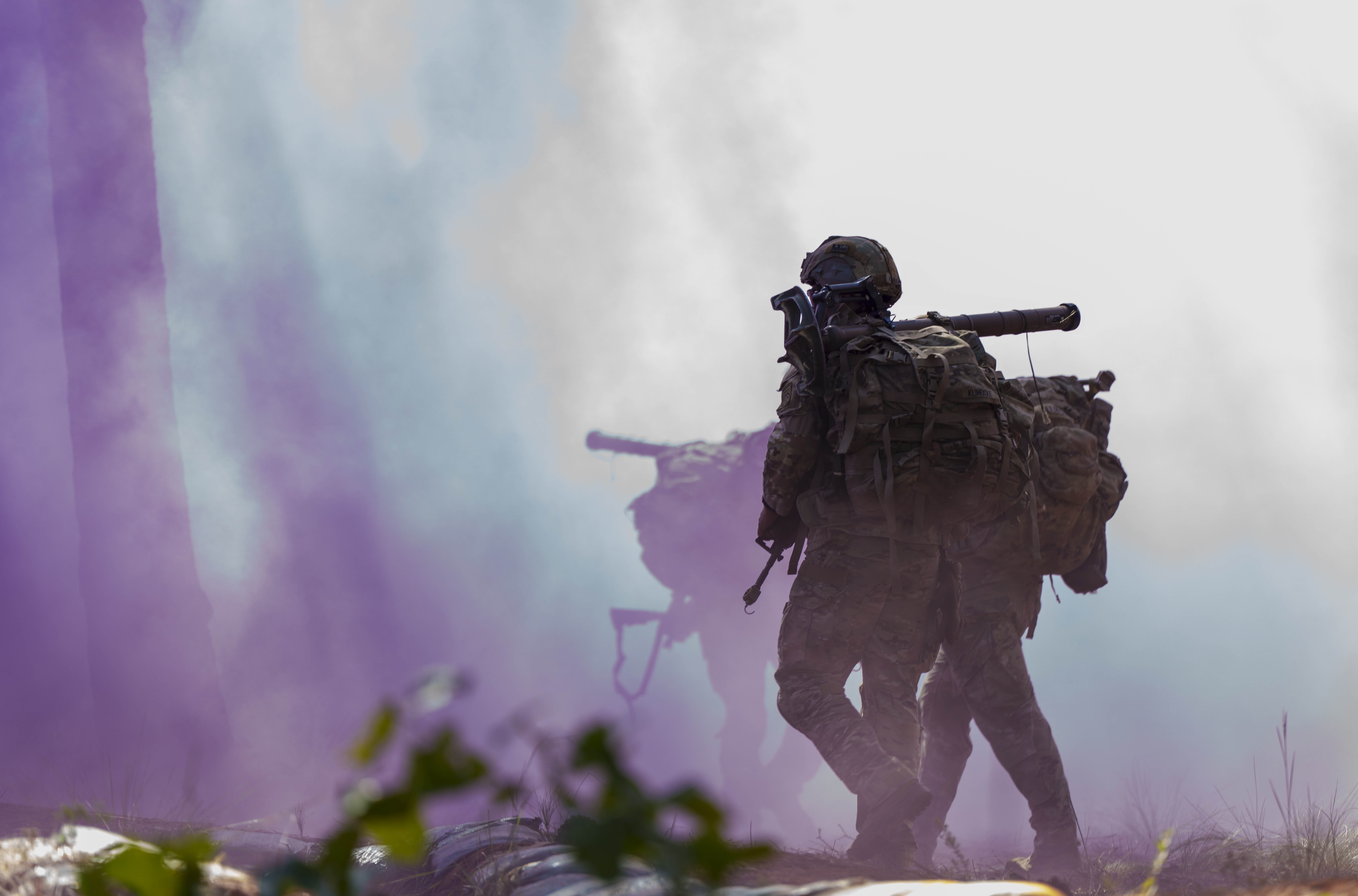
Image Credit: U.S. Department of War (DoW) / Navy | Imagery Disclaimer

Securing Tomorrow: Your Daily Dose of Cyber Safety, Tech Trends, National Security News, and Inspiration.

“If you’re not making waves, you’re not under weigh.”


-Chester W. Nimitz

I. National Security: Key developments in national security, particularly cyber and technological warfare.

  • Carrier’s move to South America leaves Mideast, Europe with none

  • President Donald Trump’s decision to redeploy the U.S. Navy’s flagship carrier, the USS Gerald R. Ford, to South America for a drug‑interdiction mission has left the Mediterranean and Middle‑East seas without a carrier presence, creating a strategic gap as a fragile Israel‑Hamas cease‑fire hangs in the balance and tensions with Iran and the Red Sea’s Houthi rebels remain high; the move coincides with the decommissioning of the USS Nimitz, the USS Theodore Roosevelt’s shore‑based training, and a limited fleet of only three carriers worldwide, prompting concerns from analysts about pressure on the lone carrier group, potential instability in Venezuela, and the broader implications of concentrating U.S. naval power in the Western Hemisphere. Click here to read more.


II. Tech Trends: Updates on emerging technology trends shaping the digital world.

  • The Microsoft Azure Outage Shows the Harsh Reality of Cloud Failures

  • Microsoft confirmed that an inadvertent configuration change to Azure’s Front Door content‑delivery network caused a widespread outage on Wednesday, taking down Azure services, Microsoft 365, Xbox and Minecraft and even disabling the Azure status page itself; the company rolled back recent updates, restored a “last known good” configuration by 3:01 p.m. ET and expected full mitigation by 7:20 p.m., highlighting how reliance on a few hyperscale cloud providers can create single points of failure for critical digital services, especially as AI workloads become increasingly integral to modern infrastructure. Click here to read more.


III. Inspiration: Articles centered on faith that offer guidance and reflection.

  • How the Church Can Lead the AI Revolution

  • AI’s rapid evolution presents both a profound opportunity and a moral dilemma for the Church, urging believers to harness the technology for evangelism—such as personalizing discipleship plans, creating compelling content and transcribing sermons—while guarding against over‑reliance, idolatry and ethical pitfalls; Christian technologist Nick Kim emphasizes that AI, unlike any prior invention, outsources human intelligence to machines, so churches must lead by example, applying biblical principles, rigorous verification and a Christ‑centered mindset to ensure AI serves the Gospel rather than replaces discernment or devotion; the article challenges ministers to ask whether their AI use glorifies God, respects human dignity and draws people closer to Christ, advocating a balanced, cautious embrace of the tool. Click here to read more.
     

IV. Cyber Safety: A focus on the latest cybersecurity threats, tips, or breaches impacting individuals and organizations.

  • Google Chrome will switch to HTTPS by default and alert users about unencrypted visits

  • Google announced that Chrome will enable the “Always Use Secure Connection” setting by default in October 2026 (Chrome 154), causing the browser to attempt HTTPS first for every site and display a warning when a site only supports unencrypted HTTP; the feature, which was optional since 2022, will roll out earlier for the roughly one‑billion users already using Enhanced Safe Browsing (April 2026), but users can still disable it or bypass alerts for local services, and Chrome will only warn on new or infrequently visited HTTP sites to reduce noise for frequent intranet users. Click here to read more.

V. Shield of Israel: Coverage from The Jerusalem Post, providing an Israeli perspective on ongoing conflicts.

  • Iran rebuilding ballistic missile manufacturing capabilities with China’s support – CNN

  • Iran is rebuilding its ballistic‑missile production capacity with Chinese assistance, receiving over 2,000 tons of sodium perchlorate—a dual‑use chemical that can be turned into solid‑fuel propellant enough for roughly 500 missiles capable of carrying nuclear warheads—despite recent UN “snapback” sanctions, while satellite images show reconstruction of missile‑mixing facilities destroyed in the July 12‑Day War; experts warn the material’s exclusion from sanction lists gives China plausible deniability, and the shipments reportedly traveled with tracking disabled to obscure their route between Chinese and Iranian ports. Click here to read more.

     
THE DAILY PRAETORIAN: Cybersecurity Trends – 10/28/25

THE DAILY PRAETORIAN: Cybersecurity Trends – 10/28/25

Image Credit: U.S. Department of War (DoW) / Navy | Imagery Disclaimer

Securing Tomorrow: Your Daily Dose of Cyber Safety, Tech Trends, National Security News, and Inspiration.

“To improve is to change; to be perfect is to change often.”


– Winston Churchill

I. National Security: Key developments in national security, particularly cyber and technological warfare.

  • Executive Order To Go Back To Steam Catapults On New Aircraft Carriers Coming: Trump

  • President Donald Trump announced plans to issue an executive order mandating that future U.S. Navy aircraft carriers revert to steam‑powered catapults and hydraulic elevators, rejecting the electromagnetic launch system (EMALS) and advanced weapons elevators used on the USS Gerald R. Ford and its sister ships; he argued steam technology is simpler, more reliable and fixable with basic tools, while critics note that retrofitting the Ford‑class design would be costly, delay carrier deliveries and complicate integration with other modern systems, even as the Navy continues to grapple with EMALS reliability and seeks ways to accelerate the rollout of newer carriers; the proposal comes amid broader discussions about the Navy’s “Golden Fleet” concept and future ship architecture. Click here to read more.


II. Tech Trends: Updates on emerging technology trends shaping the digital world.

  • OpenAI completed its for-profit restructuring — and struck a new deal with Microsoft

  • OpenAI has finalized its controversial for‑profit restructuring, converting its for‑profit arm into a public‑benefit corporation called OpenAI Group PBC while renaming the nonprofit parent the OpenAI Foundation, which now holds equity valued at roughly $130 billion and will focus $25 billion on healthcare, disease and AI resilience; the deal also revises Microsoft’s stake to about 27 percent of the new entity and extends its IP rights through 2032 (including post‑AGI models) but excludes consumer‑hardware technology, introduces an independent expert panel to verify any AGI claim, and loosens exclusivity so OpenAI can partner with third parties while still committing to purchase an incremental $250 billion of Azure services—moves that settle legal disputes, preserve Musk’s lawsuits, and set the stage for the next phase of the AI arms race. Click here to read more.


III. Inspiration: Articles centered on faith that offer guidance and reflection.

  • Conor McGregor declares he’s living ‘by God’s Word’ after finding faith: ‘I’m saved’

  • Conor McGregor announced at a Bare Knuckle Fighting Championship press conference in Italy that he has embarked on a “spiritual journey,” crediting God for saving and healing him and pledging to live his life by God’s Word; the 37‑year‑old former UFC champion, who has not fought since a 2021 ankle injury, said his renewed faith has reignited his competitive fire and that fans can expect “the best Conor McGregor” when he returns, possibly for the UFC’s White House card in June 2026, while BKFC president David Feldman praised his transformation and highlighted similar recent faith conversions among other fighters. Click here to read more.
     

IV. Cyber Safety: A focus on the latest cybersecurity threats, tips, or breaches impacting individuals and organizations.

  • Massive risk: 92% of Exchange servers in Germany unprotected after Microsoft support ends

  • Microsoft’s October 14 end‑of‑support for on‑premises Exchange Server 2016/2019 has left roughly 92 % of Germany’s ~33,000 Exchange installations—about 30,000 servers—exposed without security updates, a warning from the German Federal Office for Information Security (BSI) says, noting that many critical sectors such as hospitals, schools and public utilities still run these unpatched systems, which could be quickly compromised and lead to data theft, ransomware or prolonged outages; the BSI urges immediate migration to Exchange Server Subscription Edition or alternative solutions and recommends restricting web access via VPN or trusted IPs, as the limited‑time Extended Security Update program only buys six more months of protection. Click here to read more.

V. Shield of Israel: Coverage from The Jerusalem Post, providing an Israeli perspective on ongoing conflicts.

  • New pro-Israel org. aims to expose antizionism as a rising hate threat – interview

  • Anthropologist Adam Louis‑Klein launched the Movement Against Antizionism (MAAZ), branding antizionism as a distinct hate movement that threatens Jewish communities through libels, denialism and dehumanizing rhetoric, and calling for it to be recognized separately from classic antisemitism; the organization, which counts scholars and activists among its partners, will advise institutions on identifying and combating antizionist narratives, offer training, and convene its first conference in Pittsburgh in summer 2026, positioning itself as a non‑partisan, emergency‑response initiative aimed at protecting Jews from a growing ideological threat. Click here to read more.

     
THE DAILY PRAETORIAN: Cybersecurity Trends – 10/27/25

THE DAILY PRAETORIAN: Cybersecurity Trends – 10/27/25

Image Credit: iStock / .shock | Imagery Disclaimer

Securing Tomorrow: Your Daily Dose of Cyber Safety, Tech Trends, National Security News, and Inspiration.

“The whole is greater than the sum of its parts.”


-Aristotle

I. National Security: Key developments in national security, particularly cyber and technological warfare.

  • Does the US military need a Cyber Force?

  • The U.S. military’s fragmented cyber structure—where each service runs its own networks, training and terminology while Cyber Command’s 6,000‑person Cyber Mission Force struggles to integrate disparate teams—has spurred calls for a dedicated seventh branch, a “Cyber Force,” that would centralize recruitment, training, equipment and operational doctrine to match the unified approach of Special Operations Command; proponents argue a lean 10,000‑member service could curb talent loss, streamline offensive and defensive capabilities, and offset the strategic costs of cyber defeats, while critics caution about bureaucratic hurdles, potential duplication and the need for a more incremental reform of Cyber Command’s training oversight. Click here to read more.


II. Tech Trends: Updates on emerging technology trends shaping the digital world.

  • Apple, Asus, and Lenovo sales soar thanks to Windows 10 sunset

  • The end‑of‑support for Windows 10 on October 14 2025 has sparked a wave of PC replacements, driving global shipments up more than 8 % in Q3 2025, with Lenovo leading the market (up 17.4 %), Apple gaining 14.9 % thanks to new MacBooks, and Asus posting a 14.1 % rise and the strongest quarter‑over‑quarter growth at 22.5 %; HP and Dell followed suit with modest gains and a slight dip respectively, while the top five vendors now control roughly three‑quarters of the market and are poised for further expansion as AI‑enabled devices powered by next‑gen processors take off after 2026. Click here to read more.


III. Inspiration: Articles centered on faith that offer guidance and reflection.

  • Ex-Hamas Wife Whose Father Helped Create the Terrorist Group Meets Jesus in a Miraculous Dream

  • Former Hamas member Juman Al Qawasmi, whose father helped found the militant group, recounts a dramatic spiritual conversion after witnessing Hamas’s brutality in Gaza and praying for truth; she describes growing up indoctrinated to hate Jews and Christians, experiencing violence within the organization, and eventually receiving a vivid dream in which Jesus addressed her in Arabic, assuring her as “my daughter, don’t be afraid,” leading her to abandon Islam and embrace Christianity—a testimony featured by CBN. Click here to read more.
     

IV. Cyber Safety: A focus on the latest cybersecurity threats, tips, or breaches impacting individuals and organizations.

  • Year-Old WordPress Plugin Flaws Exploited to Hack Websites

  • Critical‑severity flaws in the WordPress Gutenberg‑related plugins GutenKit (pre‑2.1.1, CVE‑2024‑9234) and Hunk Companion (pre‑1.8.4/1.8.5, CVEs 2024‑9707 and 2024‑11972) have been weaponized in a new campaign that began on Oct 8, with Defiant reporting roughly nine million exploit attempts blocked over two weeks; the vulnerabilities let unauthenticated attackers upload malicious ZIP files masquerading as plugins, gain admin access, alter file permissions, exfiltrate data, and deploy backdoors for persistent remote code execution, despite patches being available for over a year, prompting site owners to update immediately and check Defiant’s IOC list. Click here to read more.

V. Shield of Israel: Coverage from The Jerusalem Post, providing an Israeli perspective on ongoing conflicts.

  • Rubio says ‘all mediators agree’ Israel’s Gaza strike on PIJ terrorist was justified self-defense

  • U.S. Secretary of State Marco Rubio affirmed that Israel’s recent airstrike on a Palestinian Islamic Jihad operative in central Gaza does not violate the cease‑fire agreement, noting that all mediators concur the cease‑fire does not strip Israel of its right to self‑defense and emphasizing the importance of recovering the remains of the 13 hostages still held in Gaza; Rubio made the remarks while traveling with President Donald Trump aboard Air Force One. Click here to read more.

     
THE DAILY PRAETORIAN: Cybersecurity Trends – 10/22/25

THE DAILY PRAETORIAN: Cybersecurity Trends – 10/22/25

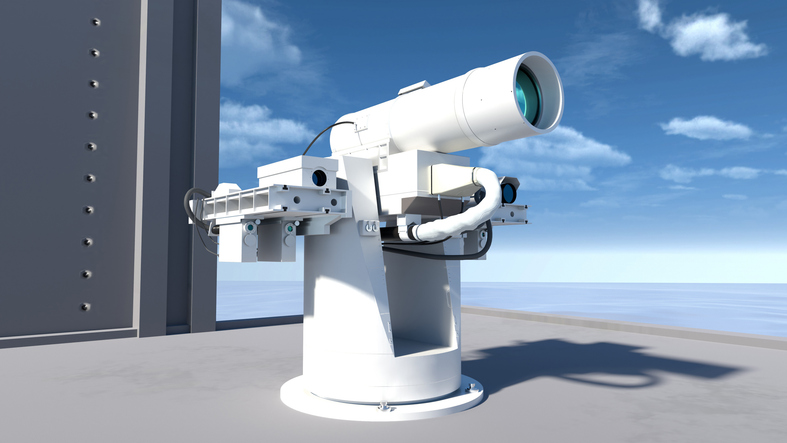
Image Credit: iStock / estt | Imagery Disclaimer

Securing Tomorrow: Your Daily Dose of Cyber Safety, Tech Trends, National Security News, and Inspiration.

“Focus like a laser, not a flashlight”


-Michael Jordan

I. National Security: Key developments in national security, particularly cyber and technological warfare.

  • MQ-20 Avenger Depicted With Laser Weapon In Its Nose A Sign Of What’s To Come

  • General Atomics unveiled a conceptual rendering of its MQ‑20 Avenger drone equipped with a high‑energy laser mounted in a rotating nose turret—a design showcased at the AUSA expo that illustrates the company’s ongoing research into integrating directed‑energy weapons with unmanned combat aircraft, including its modular Gambit family; while the visual is a pure concept, General Atomics says it reflects real work on laser systems and UCAVs, pointing to past efforts such as HELLADS‑style laser tests, pod‑mounted laser concepts for MQ‑9 platforms, and collaborations with the Air Force’s CCA program, all underscoring a broader push to field aerial laser weapons despite technical challenges like power, cooling and environmental limits. Click here to read more.


II. Tech Trends: Updates on emerging technology trends shaping the digital world.

  • Amazon sees faster delivery speeds with hi-tech driver eyeglasses, AI

  • Amazon is rolling out a suite of high‑tech tools to shave seconds off its “last‑mile” deliveries, starting with smart glasses nicknamed Amelia that project turn‑by‑turn directions, scan package barcodes and capture proof‑of‑delivery photos on a tiny heads‑up display, while a vest‑mounted controller provides swappable batteries; the optional glasses have already been tested by hundreds of drivers who report up to 30 minutes saved per shift, complementing other innovations such as a green‑spotlight van scanner, ultra‑detailed digital maps, the compact “Blue Jay” robotic arm that assists pickers and reduces injuries, and a new AI system slated for a Tennessee warehouse to orchestrate workflow and prevent bottlenecks. Click here to read more.


III. Inspiration: Articles centered on faith that offer guidance and reflection.

  • Daddy Yankee Makes a Comeback with Christian-Themed Album

  • Reggaeton icon Daddy Yankee, now performing as Ramón Ayala, has returned with a Christian‑focused album titled Lamento En Baile—a nod to Psalm 30:11—that reflects his 2022 conversion and recent personal challenges; he frames the project not merely as a musical comeback but as a mission to embed the gospel in pop culture, using his platform, social media and new songs like the uplifting single “Sonríele” to encourage listeners to find joy and trust in God amid hardship, and he will mark the release with his first televised performance in three years on October 23. Click here to read more.
     

IV. Cyber Safety: A focus on the latest cybersecurity threats, tips, or breaches impacting individuals and organizations.

  • Russian APT Switches to New Backdoor After Malware Exposed by Researchers

  • Russian state‑sponsored APT Star Blizzard has abandoned its previously exposed LostKeys malware and the PowerShell‑based infection chain, switching to a new backdoor suite after Google’s June report highlighted the ClickFix technique; the group now lures victims—often civil‑society or think‑tank personnel—into executing malicious commands via the Windows Run box, which downloads a heavily obfuscated DLL dubbed NoRobot (BaitSwitch) that fetches a more flexible Python‑based backdoor called MaybeRobot (SimpleFix) for operator‑controlled actions, while continually rotating infrastructure, file names and paths to evade detection; these changes, observed between May and September 2025, illustrate the APT’s rapid adaptation to public scrutiny. Click here to read more.

V. Shield of Israel: Coverage from The Jerusalem Post, providing an Israeli perspective on ongoing conflicts.

  • ‘We have a tough task ahead of us’: JD Vance meets with Netanyahu, Herzog, hostage families

  • U.S. Vice President JD Vance traveled to Israel to meet Prime Minister Benjamin Netanyahu, President Isaac Herzog and families of fallen soldiers, emphasizing that America does not seek to make Israel a protectorate while stressing the “very tough” task of disarming Hamas, rebuilding Gaza and securing the cease‑fire; Vance pledged continued U.S. support for Israel’s mission to eliminate the militant threat and return hostages, highlighted cooperation with Gulf Arab partners, and expressed optimism that a lasting peace agreement can be achieved despite anticipated challenges. Click here to read more.


THE DAILY PRAETORIAN: Cybersecurity Trends – 10/21/25

THE DAILY PRAETORIAN: Cybersecurity Trends – 10/21/25

Image Credit: iStock / MikeMareen | Imagery Disclaimer

Securing Tomorrow: Your Daily Dose of Cyber Safety, Tech Trends, National Security News, and Inspiration.

“But it isn’t about war; it’s about peace. It isn’t about retaliation; it’s about prevention. It isn’t about fear; it’s about hope. And in that struggle, if you’ll pardon my stealing a film line: The Force is with us.”


-Ronald Reagan

I. National Security: Key developments in national security, particularly cyber and technological warfare.

  • Lockheed To Test Golden Dome Space-Based Missile Interceptor In Orbit By 2028

  • Lockheed Martin announced that it aims to demonstrate a functional space‑based missile interceptor in orbit by 2028 as part of the Pentagon’s “Golden Dome” missile‑defense vision, which seeks to engage threats—especially boost‑phase ballistic and hypersonic missiles—far from U.S. territory; the company is shifting its R&D model to fund corporate‑level projects like this, building full‑scale prototypes rather than lab‑only concepts, while acknowledging the steep technical challenges of sensor integration, AI‑driven targeting, launch costs and the broader debate over space weaponization and the program’s projected hundred‑billion‑dollar price tag. Click here to read more.


II. Tech Trends: Updates on emerging technology trends shaping the digital world.

  • OpenAI’s Atlas Browser Takes Direct Aim at Google Chrome

  • OpenAI unveiled Atlas, a new AI‑powered web browser that embeds ChatGPT directly into the browsing experience, offering a sidebar for real‑time Q&A about pages, an AI agent that can click and complete tasks, and optional “browser memories” that recall past searches to suggest actions; initially released for macOS to all ChatGPT users (with advanced agent features reserved for ChatGPT Plus/Pro subscribers) and slated for Windows and mobile later, Atlas competes with Google’s AI‑enhanced Chrome and other AI‑infused browsers by making the chatbot the primary interface rather than a supplemental overlay, aiming to redefine how users research, automate routines, and interact with web content. Click here to read more.


III. Inspiration: Articles centered on faith that offer guidance and reflection.

  • Christian higher education should lead AI integration

  • Colorado Christian University’s president, Eric Hogue, argues that Christian higher‑education must become the intellectual and moral leader in AI development, warning that without a biblically grounded liberal‑arts foundation the technology will reflect humanity’s biases and serve narrow interests; he stresses that AI’s power to democratize education, accelerate medical breakthroughs and aid Bible translation can only be harnessed responsibly if graduates combine technical excellence with theological and ethical insight, and he outlines concrete steps his campus is taking—launching an AI incubator called the Quarry Innovation Lab, integrating ethics and theology into curricula, and establishing guidelines and conferences—to demonstrate “redemptive technology” and equip students to shape, rather than merely adapt to, the future of AI. Click here to read more.
     

IV. Cyber Safety: A focus on the latest cybersecurity threats, tips, or breaches impacting individuals and organizations.

  • Hackers actively exploiting Windows SMB flaw, gaining SYSTEM privileges over networks

  • Hackers are actively exploiting a critical Windows SMB client vulnerability (CVE‑2025‑33073) that lets attackers gain SYSTEM‑level privileges across unpatched networks, earning a high severity score of 8.8 and landing in CISA’s Known Exploited Vulnerabilities catalog; the flaw, disclosed in June 2025 and patched by Microsoft the same month, can be triggered when a compromised device connects to a malicious SMB server, allowing remote code execution especially on systems without enforced SMB signing, prompting urgent updates from federal agencies with a November 10 deadline to mitigate the risk. Click here to read more.

V. Shield of Israel: Coverage from The Jerusalem Post, providing an Israeli perspective on ongoing conflicts.

  • ‘Hezbollah rebuilding faster than Lebanese Army dismantling,’ Western intel. officials tell ‘Post’

  • Western intelligence officials warned that Hezbollah is rebuilding and rearming faster than the Lebanese army can dismantle its capabilities, rapidly restoring rockets, bases and recruiting fighters north of the Litani River even as Lebanon’s government has announced a plan to disarm the group and Israel has pledged to scale back its own incursions contingent on genuine Lebanese action; the officials cautioned that if Beirut hesitates, Israel may launch a unilateral strike against Hezbollah, a scenario they say could spark a severe confrontation while the Lebanese army’s efforts, though motivated, still face a long road toward full disarmament. Click here to read more.


THE DAILY PRAETORIAN: Cybersecurity Trends – 10/20/25

THE DAILY PRAETORIAN: Cybersecurity Trends – 10/20/25

Image Credit: U.S. Department of War (DoW) / Navy Petty Officer 1st Class Greg Johnson | Imagery Disclaimer

Securing Tomorrow: Your Daily Dose of Cyber Safety, Tech Trends, National Security News, and Inspiration.

“All problems become smaller if you don’t dodge them, but confront them. Touch a thistle timidly, and it pricks you; grasp it boldly, and its spines crumble.”


-Admiral William Halsey Jr.

I. National Security: Key developments in national security, particularly cyber and technological warfare.

  • Venezuela’s Supersonic Anti-Ship Missiles Are A Real Threat To American Warships

  • Venezuela’s Russian‑supplied Kh‑31 (AS‑17 Krypton) high‑speed anti‑ship missile, launched from its aging Su‑30MK2V fighters, poses a genuine threat to U.S. warships operating near its coast, with a Mach 3.5 ramjet‑propelled flight, 18‑mile active‑radar lock‑on, 31‑mile range and a hardened warhead capable of piercing a ship’s hull; while the U.S. Navy has trained against the missile (using captured MA‑31 targets) and equips its surface combatants with layered air‑defense systems, the missile’s supersonic speed and low‑altitude maneuverability leave little reaction time, especially when vessels operate close to the Venezuelan shoreline, making the Kh‑31A a serious concern that the Pentagon monitors alongside broader regional deployments of amphibious groups and destroyers. Click here to read more.


II. Tech Trends: Updates on emerging technology trends shaping the digital world.

  • Meta is removing its Messenger apps for Windows and macOS

  • Meta announced that its standalone Messenger desktop applications for Windows and macOS will be discontinued, with the apps already removed from the Microsoft Store and Mac App Store and a final shutdown slated for mid‑December 2025; Windows users will need to switch to the Facebook app or the Messenger web interface, while macOS users will be limited to the web version after a 60‑day grace period, and the company also plans to retire the native WhatsApp Windows client in favor of a web‑wrapper approach as part of a broader simplification of its desktop offerings. Click here to read more.


III. Inspiration: Articles centered on faith that offer guidance and reflection.

  • ‘A sign of hope’: Churches destroyed by the Islamic State reopen in Iraq

  • Historic churches in Mosul— the 7th‑century Syriac Orthodox Church of Saint Thomas and the Chaldean Catholic Church of Al‑Tahira—have been fully restored and reconsecrated after nearly a decade of reconstruction following their destruction under ISIS, marking a symbolic “sign of hope” for the city’s dwindling Christian community; the projects, led by the Aliph Foundation with support from Iraq’s State Board of Antiquities, UNESCO, French heritage groups and the Catholic charity Oeuvre d’Orient, involved clearing mines, repairing centuries‑old stonework and reinstalling bells cast in Normandy, and were celebrated by local clergy, Iraqi officials and international dignitaries as a testament to resilience, inter‑faith coexistence, and the broader effort to revive cultural landmarks in post‑conflict Iraq. Click here to read more.
     

IV. Cyber Safety: A focus on the latest cybersecurity threats, tips, or breaches impacting individuals and organizations.

  • AWS outage was not due to a cyberattack — but shows potential for ‘far worse’ damage

  • Amazon Web Services suffered a major outage on Oct 20 2025 caused by a failure in an internal subsystem that monitors network load balancer health, not a cyberattack, disrupting high‑profile sites such as Facebook, Coinbase, Amazon and even LaGuardia Airport kiosks; experts warned that if a similar vulnerability were maliciously exploited, the impact could be far worse, highlighting the dangers of “tech monoculture” and underscoring the need for multi‑cloud, multi‑region redundancy and more isolated critical networking components to prevent cascading failures. Click here to read more.

V. Shield of Israel: Coverage from The Jerusalem Post, providing an Israeli perspective on ongoing conflicts.

  • Katz calls on IDF to ‘hold Hamas leaders responsible’

  • Israeli Defense Minister Israel Katz ordered the IDF to warn Hamas operatives that any militants crossing the “Yellow Line” into Israeli‑controlled territory must evacuate immediately and that Hamas leaders will be held accountable for any ensuing incidents; the directive followed multiple clashes in which IDF forces fired on terrorists approaching Israeli troops near Shejaia, and came as Hamas allegedly breached the cease‑fire by launching anti‑tank missiles and gunfire, prompting Prime Minister Benjamin Netanyahu to order a forceful response, close all Gaza crossings, suspend humanitarian aid and mourn the loss of several Israeli soldiers. Click here to read more.


THE DAILY PRAETORIAN: Cybersecurity Trends – 10/16/25

THE DAILY PRAETORIAN: Cybersecurity Trends – 10/16/25

Image Credit: iStock / SmileStudioAP | Imagery Disclaimer

Securing Tomorrow: Your Daily Dose of Cyber Safety, Tech Trends, National Security News, and Inspiration.

“We see this as a pivotal moment where innovation is going so fast… This is the year when you absolutely must invest in your cybersecurity basics.”


– Amy Hogan‑Burney, Microsoft VP for Customer Security & Trust (2025)

I. National Security: Key developments in national security, particularly cyber and technological warfare.

  • Microsoft: Russia, China Increasingly Using AI to Escalate Cyberattacks on the US

  • Microsoft’s latest digital‑threats report reveals that Russia, China, Iran and North Korea have dramatically ramped up AI‑driven cyber campaigns against the United States—identifying over 200 AI‑generated malicious incidents this summer alone, more than twice last year’s count and ten times the 2023 level. Adversaries are leveraging generative AI to craft convincing phishing messages, deep‑fake officials, and automated attacks on critical infrastructure such as hospitals and transport systems, while criminal groups partner with nation‑states to steal data and demand ransoms. With many U.S. organizations still relying on outdated defenses, Microsoft warns that robust cybersecurity fundamentals are now essential to counter this accelerating AI‑enabled threat landscape. Click here to read more.


II. Tech Trends: Updates on emerging technology trends shaping the digital world.

  • 4 technologies will shape the future job market: AI will dominate, but what about the others?

  • The World Economic Forum’s new white paper warns that while generative AI dominates headlines—86 % of employers expect it to reshape their firms by 2030—it is just one of four forces reshaping the global labor market, alongside robotics, advanced energy technologies, and next‑generation networking and sensing systems; together they are automating tasks in sectors from retail and logistics to manufacturing, agriculture and healthcare, creating new high‑skill roles such as robot programmers, energy‑management engineers, and AI‑enhanced analysts while also prompting layoffs in administrative positions at companies like Amazon and Lufthansa. Click here to read more.


III. Inspiration: Articles centered on faith that offer guidance and reflection.

  • 5 things you should know about Martin Luther

  • Martin Luther, the 16th‑century German monk whose 95 Theses sparked the Protestant Reformation, was a relentless biblical scholar who read the entire Psalter every three weeks and completed the whole Bible two to three times a year, championing “Sola Scriptura” and “Sola Fide” as the sole foundations of Christian doctrine; after breaking from monastic life he married former nun Katharina von Bora, raising a large family while she managed a bustling household, brewery, and garden; Luther also contributed significantly to church music—writing hymns such as “A Mighty Fortress Is Our God” and publishing the first Protestant hymnal—while authoring additional theological theses, notably the 28 Heidelberg Disputation theses; his reforms reverberated across Europe, culminating in his death in his birthplace Eisleben in 1546 after a final pilgrimage there. Click here to read more.
     

IV. Cyber Safety: A focus on the latest cybersecurity threats, tips, or breaches impacting individuals and organizations.

  • Windows 10 Still on Over 40% of Devices as It Reaches End of Support

  • Microsoft announced that Windows 10 officially reached end‑of‑support on October 14 2025, meaning free updates, technical help and security patches will cease, leaving the hundreds of millions of devices still running the OS increasingly exposed to malware; however, users can stay protected by enrolling in Microsoft’s Extended Security Updates (ESU) program—individuals pay $30 (or can redeem 1,000 Microsoft Rewards points) and commercial entities pay $61 per device, with prices doubling each subsequent year, while the program is offered for free in the European Economic Area; despite the rollout of Windows 11, recent data from Statcounter, TeamViewer and Kaspersky show Windows 10 still powers roughly 40‑50 % of global desktops, especially in enterprise environments, prompting many organizations to balance the cost and effort of migration against interim ESU coverage before fully decommissioning legacy machines. Click here to read more.

V. Shield of Israel: Coverage from The Jerusalem Post, providing an Israeli perspective on ongoing conflicts.

  • Israel says preparations to open Rafah crossing underway with Egypt, date to be announced later

  • Israel’s Coordinator of Government Activities in the Territories (COGAT) announced that, in coordination with Egypt, preparations are underway to reopen the Rafah crossing in southern Gaza for the movement of people, though a specific opening date will be set later; the reopening follows Hamas’s delayed return of host‑body remains, which Israel cited as a breach of the cease‑fire and prompted earlier warnings that the crossing could stay closed and aid reduced, while humanitarian supplies continue to flow through other points such as Kerem Shalom; simultaneously, Israel informed the UN it will permit only half the previously agreed‑upon 600 aid trucks—300 in total—and restrict fuel imports, citing Hamas’s non‑compliance with the hostage‑release terms. Click here to read more.


THE DAILY PRAETORIAN: Cybersecurity Trends – 10/15/25

THE DAILY PRAETORIAN: Cybersecurity Trends – 10/15/25

Image Credit: U.S. Department of War (DoW) / Marine Corps Cpl. Keegan Jones | Imagery Disclaimer

Securing Tomorrow: Your Daily Dose of Cyber Safety, Tech Trends, National Security News, and Inspiration.

“The medium is the message.”


-Marshall McLuhan

I. National Security: Key developments in national security, particularly cyber and technological warfare.

  • Marine communications experts were ‘Thunderstruck’ in first-ever competition

  • The U.S. Marine Corps held its first-ever Thunderstruck Communications Competition, a service-wide event designed to test the tactical, technical, and physical skills of Marine communicators under field conditions. Fifteen teams from across the fleet competed in the six-mile challenge at Camp Pendleton, which included high-frequency radio, satellite communications, and data networking tasks alongside weapons handling and navigation drills. Hosted by Marine Wing Communications Squadron 38, the event highlighted the vital role of resilient command and control in modern operations. A team from the 1st Marine Logistics Group headquarters regiment took top honors in the inaugural contest. Click here to read more.


II. Tech Trends: Updates on emerging technology trends shaping the digital world.

  • Be rude to ChatGPT to get a more accurate response

  • A new study suggests that being rude to ChatGPT may produce slightly more accurate answers than polite requests. Researchers tested 250 prompts across five tone levels—from very polite to very rude—using ChatGPT-4o on topics like math, science, and history. Surprisingly, “very rude” prompts achieved the highest accuracy at 84.8%, while “very polite” ones scored lowest at 80.8%. The results challenge prior findings that politeness improves chatbot performance. Experts note that cultural and linguistic differences may affect outcomes, and some users remain polite out of habit—or fear of an AI “uprising.” Click here to read more.


III. Inspiration: Articles centered on faith that offer guidance and reflection.

  • Trump awards Charlie Kirk posthumous Presidential Medal of Freedom: ‘Martyr for truth and for freedom’

  • President Donald Trump posthumously awarded conservative activist Charlie Kirk the Presidential Medal of Freedom, engraved with a cross, during a Rose Garden ceremony marking what would have been Kirk’s 32nd birthday. Trump hailed Kirk as a “martyr for truth and for freedom,” calling him a visionary Christian leader who inspired young Americans. Erika Kirk accepted the medal on behalf of her late husband, who was fatally shot on September 10 at Utah Valley University, and described his life as a testament to faith and liberty. The event drew about 100 attendees and included calls to continue Kirk’s mission of defending Christian and American values. Click here to read more.
     

IV. Cyber Safety: A focus on the latest cybersecurity threats, tips, or breaches impacting individuals and organizations.

  • Imminent nation-state threat to F5 devices, CISA urges deployment of critical updates

  • The U.S. Cybersecurity and Infrastructure Security Agency (CISA) issued an emergency directive urging all federal agencies to immediately update F5 devices and software after a breach by suspected nation-state hackers. The attackers reportedly accessed F5’s source code, internal systems, and details on undisclosed vulnerabilities, posing an “imminent risk” of data theft or system compromise. CISA warned that the flaws could allow unauthorized access to sensitive networks and urged swift patching to prevent “catastrophic” damage. F5 confirmed the breach but said no customer or financial data was exfiltrated. Click here to read more.

V. Shield of Israel: Coverage from The Jerusalem Post, providing an Israeli perspective on ongoing conflicts.

  • Avenged Sevenfold singer sends welcome-home message to released hostages

  • Avenged Sevenfold’s lead singer M. Shadows sent a personal video message to recently released Israeli hostages Evyatar David and Guy Gilboa-Dalal, welcoming them home after two years in Hamas captivity and expressing admiration for their strength and love of the band. The two friends, abducted from the Nova music festival in 2023, were visibly emotional upon seeing the message and later listened to Avenged Sevenfold’s “Buried Alive,” a song that gave them hope during their imprisonment. Their story has touched fans worldwide as a testament to resilience and the healing power of music. Click here to read more.


THE DAILY PRAETORIAN: Cybersecurity Trends – 10/14/25

THE DAILY PRAETORIAN: Cybersecurity Trends – 10/14/25

Image Credit: U.S. Department of War (DoW) / Army Sgt. Aiden O’Marra | Imagery Disclaimer

Securing Tomorrow: Your Daily Dose of Cyber Safety, Tech Trends, National Security News, and Inspiration.

“U.S. special operators will provide critical capabilities that address complex security challenges in response to adversarial aggression.”


-Lt. Gen. Richard Angle

I. National Security: Key developments in national security, particularly cyber and technological warfare.

  • High North highlight: US, NATO special operators show how ‘adversarial aggression’ is met

  • U.S. and NATO special operations forces have launched Exercise Adamant Serpent in Norway, a two-week Arctic training operation involving about 400 elite troops from the U.S., Denmark, Norway, and Sweden. The drills, based at Rygge Air Base, aim to strengthen rapid-response capabilities and joint readiness in the increasingly strategic High North, where melting sea ice has heightened interest in new trade routes and resources. The exercise coincides with NATO’s new Combined Air Operations Centre opening in Bodo and its annual nuclear readiness exercise, Steadfast Noon, underscoring the alliance’s focus on deterring aggression in the region. Click here to read more.


II. Tech Trends: Updates on emerging technology trends shaping the digital world.

  • Apple teases M5 MacBook ‘Coming soon.’

  • Apple has hinted at the upcoming release of a new MacBook powered by the M5 chip, with marketing executive Greg Joswiak teasing that “something powerful is coming.” A short promotional video shows the phrase “coming soon” alongside a laptop silhouette shaped like a Roman numeral V — a nod to the M5. The reveal aligns with reports from Bloomberg’s Mark Gurman that Apple plans to announce an M5-based MacBook Pro this week, following recent leaks of M5 iPad Pros and a faster Vision Pro headset. Click here to read more.


III. Inspiration: Articles centered on faith that offer guidance and reflection.

  • Israel and Hamas Agree to Cease Fire, 20 Hostages Released Amid Renewed Hopes for Peace

  • Israel and Hamas have reached a temporary ceasefire agreement, marking a major breakthrough after two years of devastating conflict that began with Hamas’ 2023 attack. The deal, brokered with help from Egypt and Qatar, includes the release of 20 Israeli hostages and nearly 2,000 Palestinian prisoners, alongside renewed humanitarian aid to Gaza. Global leaders, including the U.N. Secretary-General, welcomed the move while urging both sides to pursue lasting peace. The ceasefire, coinciding with the Jewish holiday Hoshana Raba, has been described as a fragile but hopeful step toward healing after prolonged suffering on both sides. Click here to read more.
     

IV. Cyber Safety: A focus on the latest cybersecurity threats, tips, or breaches impacting individuals and organizations.

  • Russia-linked hackers attack Texas electric cooperatives

  • A Russia-linked ransomware group known as Qilin has claimed responsibility for cyberattacks on two Texas electric cooperatives — San Bernard Electric Cooperative and Karnes Electric Cooperative — potentially exposing sensitive financial and personal data. The leaked materials reportedly include financial records, insurance documents, and contact information for board members and staff, though the authenticity of the data has not yet been verified. The attacks underscore growing vulnerabilities in U.S. critical infrastructure, with experts warning that such breaches could damage public trust and business operations. Qilin, active since 2021, has recently become one of the most prolific ransomware gangs worldwide. Click here to read more.

V. Shield of Israel: Coverage from The Jerusalem Post, providing an Israeli perspective on ongoing conflicts.

  • Trump: Hamas must disarm or we will disarm them ‘perhaps violently’

  • U.S. President Donald Trump warned that Hamas must disarm or face forced disarmament, saying it would happen “quickly and perhaps violently” if the group fails to comply. His remarks came during a White House meeting with Argentine President Javier Milei, following Hamas’s violation of a 72-hour deadline to return all hostages from Gaza. Trump declared that “Phase Two begins right now,” referring to the next stage of his Gaza peace plan, which reportedly aims to demilitarize the region and establish a temporary Palestinian government. The delay in returning the remains of 24 hostages has led Israel to restrict aid into Gaza as diplomatic efforts continue. Click here to read more.


THE DAILY PRAETORIAN: Cybersecurity Trends – 10/9/25

THE DAILY PRAETORIAN: Cybersecurity Trends – 10/9/25

Image Credit: iStock / PaulMcKinnon | Imagery Disclaimer

Securing Tomorrow: Your Daily Dose of Cyber Safety, Tech Trends, National Security News, and Inspiration.

“We learn to sail in a storm.”


-Seneca

I. National Security: Key developments in national security, particularly cyber and technological warfare.

  • San Francisco’s Fleet Week goes on despite federal shutdown, with help from Canada and Colombia

  • San Francisco’s Fleet Week is proceeding despite the federal government shutdown, thanks to international support from Canada and Colombia. While the U.S. Navy’s Blue Angels were grounded, the Canadian air force’s Snowbirds will headline the air show, and Colombia’s three-masted tall ship, the ARC Gloria, will dock at the Port of San Francisco. Mayor Daniel Lurie emphasized the event’s tradition, begun by the late Sen. Dianne Feinstein in 1981, as a tribute to military service members. The festival, drawing over a million visitors, features ship tours, live music, and exhibits on disaster preparedness. Colombian Consul General Sonia Marina Pereira Portilla highlighted the event as an opportunity to strengthen ties between nations. Click here to read more.


II. Tech Trends: Updates on emerging technology trends shaping the digital world.

  • The AI industry is at a major crossroads

  • The AI industry faces a defining moment as it grapples with whether its future will be open and user-driven or dominated by closed ecosystems. In the latest episode of Decoder, The Verge’s Hayden Field speaks with Imbue CEO Kanjun Qiu about this week’s major OpenAI developments, including new ChatGPT features, the Sora iOS app’s viral rise, and growing concerns over AI-generated content and job-screening automation. Qiu, a seasoned founder and investor, argues that the direction AI takes will shape not only innovation but also public trust and accessibility in the years ahead. Click here to read more.


III. Inspiration: Articles centered on faith that offer guidance and reflection.

  • ‘A Different World’: Trump Announces Hostage Release Deal to End Gaza War, Plans Sunday Visit to Israel

  • After two years of war, Israel and Hamas have reached a historic agreement to end the fighting in Gaza and free all remaining hostages, marking what President Trump called “a different world” for the Middle East. The deal includes plans to rebuild Gaza under a newly formed “council of peace,” with hostages expected to be released Monday following a cabinet vote in Israel. Prime Minister Benjamin Netanyahu hailed the agreement as a “national and moral victory,” crediting Trump’s leadership and the IDF’s perseverance for achieving this breakthrough. Trump is scheduled to visit Israel on Sunday to mark the momentous occasion. Click here to read more.
     

IV. Cyber Safety: A focus on the latest cybersecurity threats, tips, or breaches impacting individuals and organizations.

  • Instagram glitch exposes private notes, users are panicking

  • Instagram users are in panic after a major glitch exposed private “Close Friends” Notes to unintended viewers, allowing outsiders to see and even reply to messages meant for a select circle. Reports on Reddit describe the breach as “extremely incriminating,” with some users fearing serious personal fallout after their private thoughts were revealed. The glitch has reignited concerns over Instagram’s privacy safeguards, especially following past issues like unwanted location sharing through its Maps feature. Meta has yet to comment on the incident, leaving users questioning the safety of their private content. Click here to read more.

V. Shield of Israel: Coverage from The Jerusalem Post, providing an Israeli perspective on ongoing conflicts.

  • Ceasefire takes effect after Israeli gov’t votes to approve Gaza deal

  • Israel’s cabinet approved President Trump’s US-backed Gaza ceasefire deal early Friday, putting a ceasefire into immediate effect and greenlighting the framework to return all hostages while Israeli forces redeploy to agreed lines; US envoys Steve Witkoff and Jared Kushner attended the marathon meetings with Prime Minister Benjamin Netanyahu, who thanked them for their role, while hard-right ministers Bezalel Smotrich, Itamar Ben-Gvir and others voted against the plan over objections to the planned Palestinian prisoner releases and leaked footage revealed a heated exchange between Ben-Gvir, Witkoff and Kushner—yet despite fierce dissent from the Religious Zionist and Otzma Yehudit ministers those parties are not leaving the coalition for now and government leaders say the deal isolates Hamas and paves the way for a durable peace, even as critics warn of the deal’s “unpleasant prices.” click here to read more.


Pin It on Pinterest